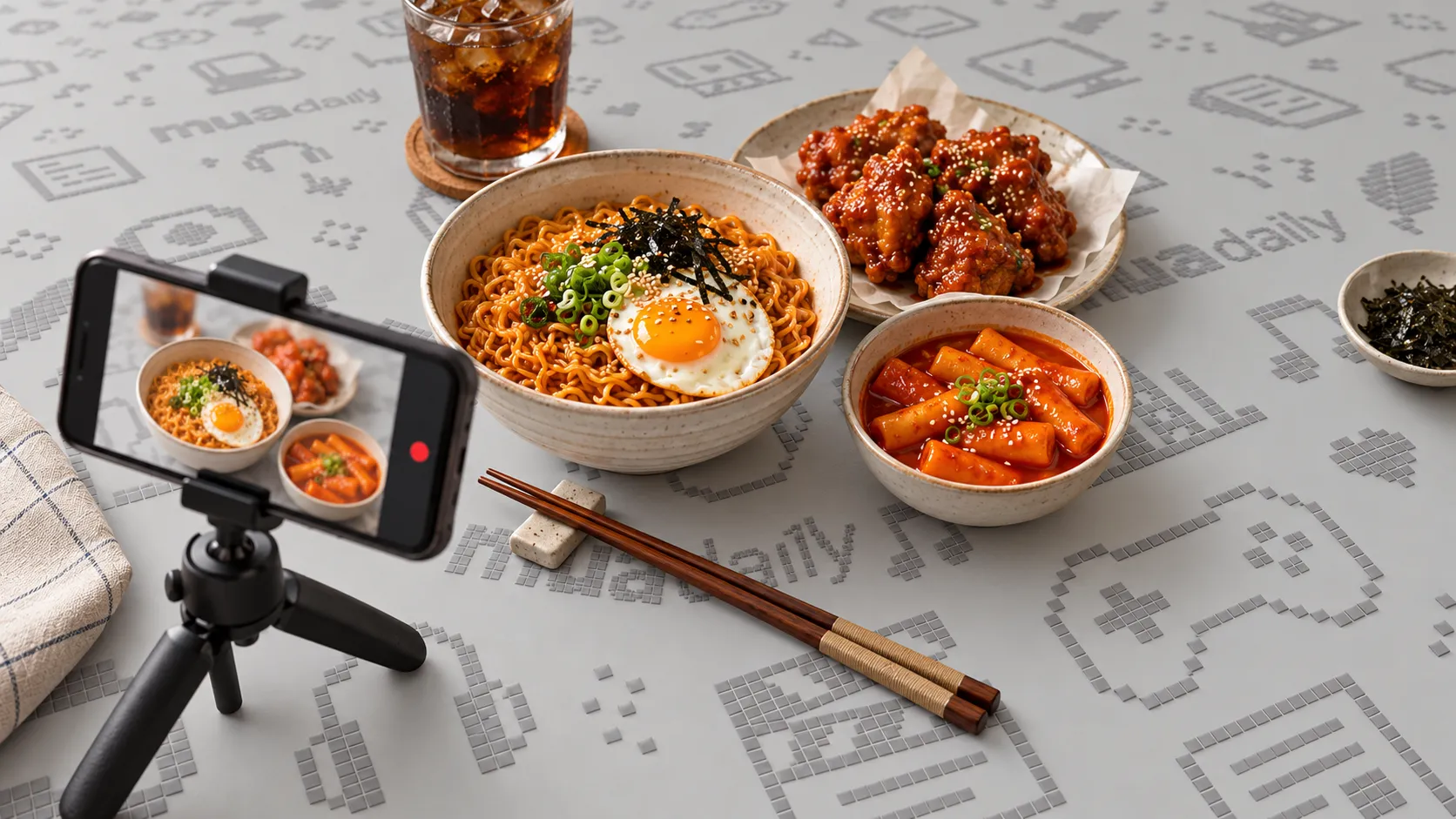
A video played over a meal can represent years of work for its creator. A diet YouTuber’s decision to delete 339 videos after receiving a policy notice reveals the gap between watching that work and making it.
Article
When eating alone, we sometimes look for a familiar face on YouTube. If there is no new upload, an old video will do. We may already know what the person is eating, yet still enjoy the moment they sit down with food and start talking. That companionship is part of what Koreans mean when they call mukbang a “meal companion.”
What happens if that video disappears one day? A viewer loses something to replay. For its creator, the hours spent filming, editing and uploading disappear from view too. The story of a creator who deleted 339 videos after receiving a policy notice from YouTube brings that difference into focus.
Past videos came before the next upload
A diet YouTuber featured in a September 2026 report appealed a policy violation notice while voluntarily deleting 339 of the channel’s 667 videos—more than half. YouTube did not forcibly remove all those videos.
Those numbers draw attention to work already made, before any plans for future filming. Taking care with a new video is one thing; reviewing and taking down old ones individually is another. A channel about food and changes to the body retains the explanations and expressions used at the time. Judged against current standards, past uploads may need to be reconsidered too.
Reports from the same period also described a creator who paused uploads after losing monetization to avoid further penalties. Wanting to keep making videos does not necessarily mean being able to publish the next one immediately. For viewers, watching takes a tap on the play button. For creators, the ability to continue filming is at stake.
Different readings of the same meal
YouTube restricts content that promotes eating disorders or instructs viewers in dangerous behavior. It does not impose a blanket ban on ordinary meals or food videos. Context matters for educational, documentary and recovery-related content. Whether a video may remain public and whether it may carry advertising are also separate decisions.
The amount of food alone therefore cannot establish why a channel faced action. The accompanying explanations and the emphasis of a title or thumbnail also matter. YouTube announced an expansion of the relevant policies in 2023; these cases do not amount to a new ban on all mukbang.
Still, a creator taking down hundreds of earlier videos is a substantial loss. Viewers selected them one at a time, while the creator built them into a channel over years. Regular uploading can become the work of regularly reviewing what has already been uploaded.
The value of a video watched for company over a meal is not measured only by the quantity of food on screen. A familiar voice, manner of speaking and conversation over food can all bring viewers back. For someone trying to keep making those moments, a policy notice concerns both the next video and how much of the work already made can remain available.
Sources and editorial notes
YouTube · Advertiser-friendly content guidelines, confirmed October 12, 2026
YouTube Community policy on eating disorders, confirmed October 12, 2026
Editorial note: Policy details are based on official YouTube data, and domestic channel cases and number of videos are based on Korea JoongAng Daily reports. We have not directly confirmed the individual channel's sanctions decision, and we do not make any assumptions about any creator’s health status. The introductory dining scene and its implications for the production experience are MUADAILY's editorial composition and interpretation. Image: MUADAILY · AI-generated editorial image.
Machine-translated from Korean. Read the original.