
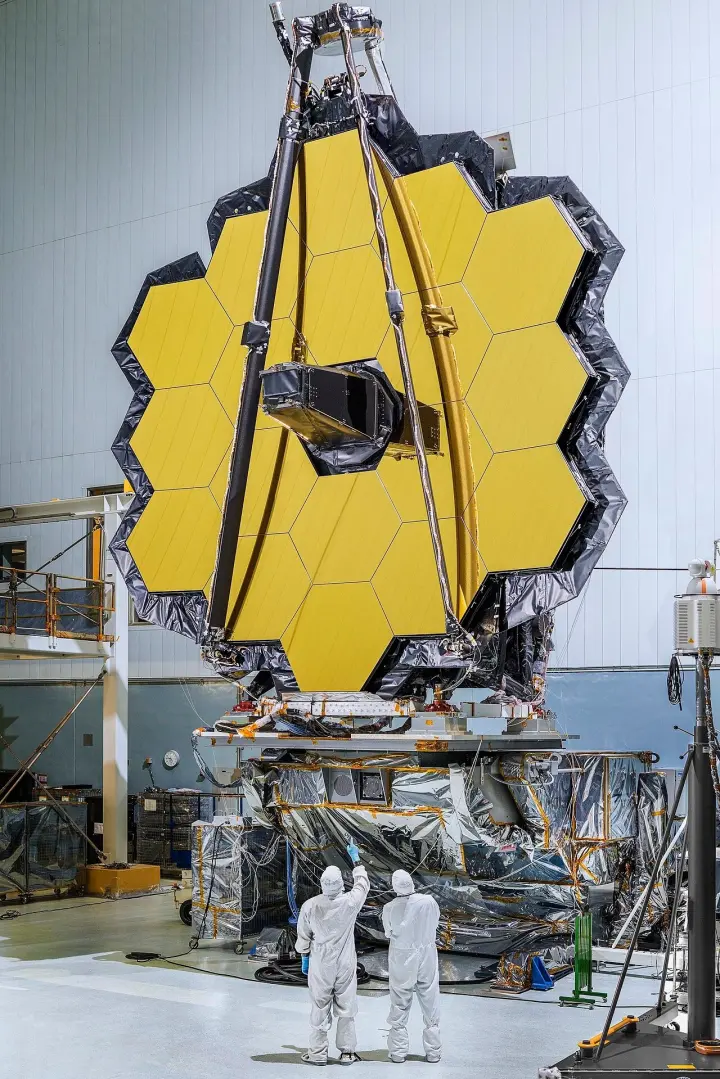
How Webb’s 18 mirror segments work as one
Webb’s mirror folded for launch and was precisely aligned afterward. Beneath its thin gold coating lies lightweight, stable beryllium.
Webb’s mirror folded for launch and was precisely aligned afterward. Beneath its thin gold coating lies lightweight, stable beryllium.
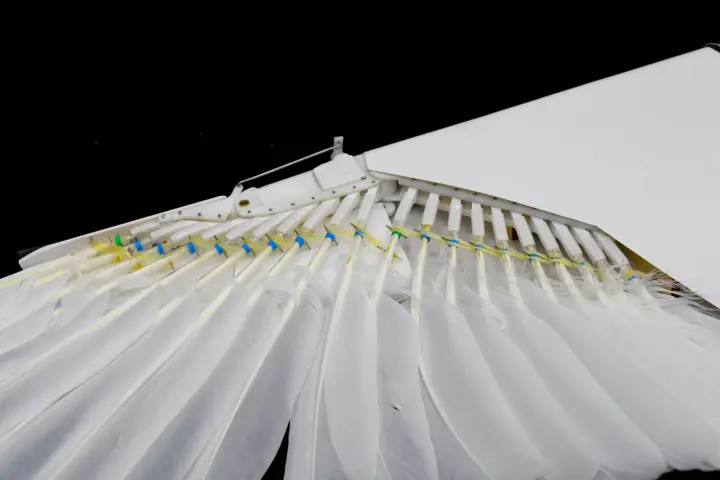
PigeonBot folds feathered wings through wrist- and finger-like movements. It studies wing shape and control rather than flapping propulsion.
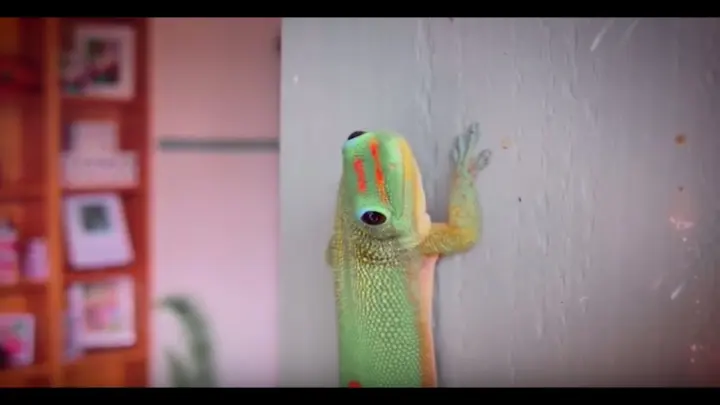
JPL’s Gecko Gripper explores controlled attachment and release, using directional adhesion to handle objects ordinary jaws struggle to grasp.
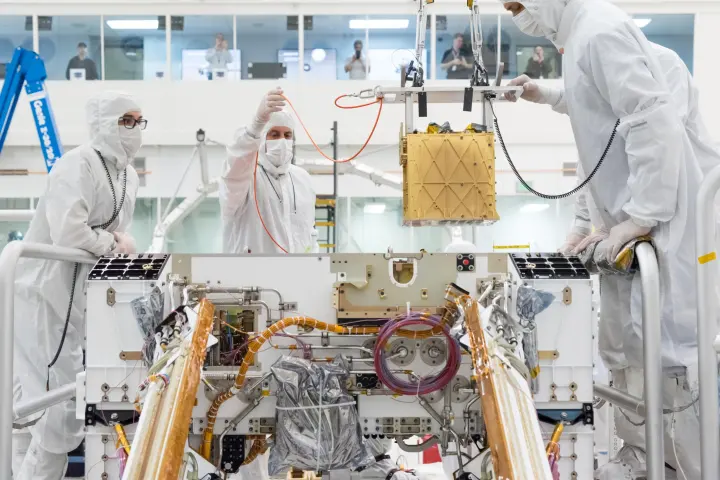
MOXIE made 122 grams of oxygen from Martian carbon dioxide, testing a process relevant to both breathing and a return rocket.
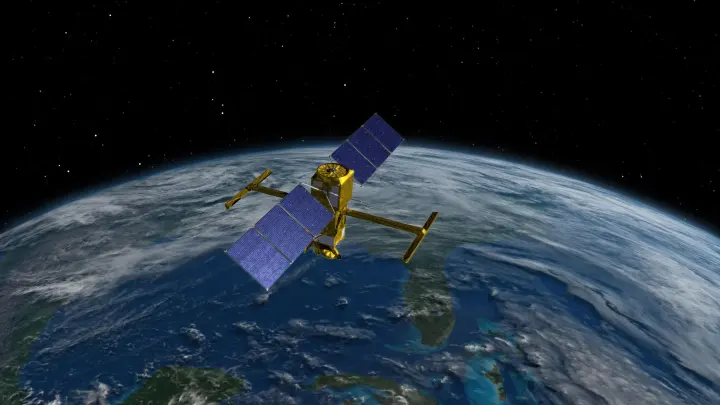
SWOT records water height and width to help examine stretches of river between ground stations.
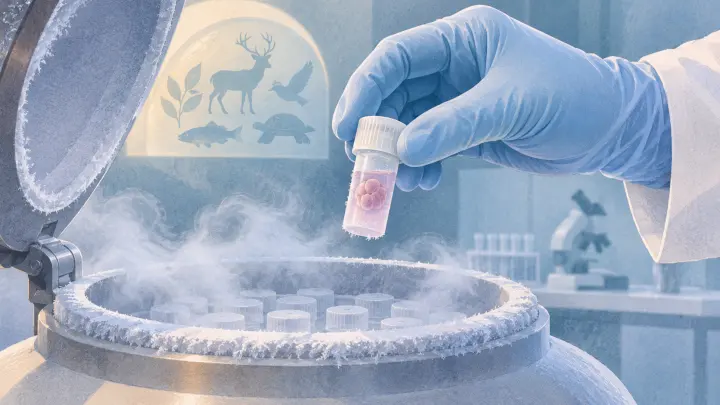
The Smithsonian’s cryopreservation work keeps biological specimens alongside efforts to care for living animals.
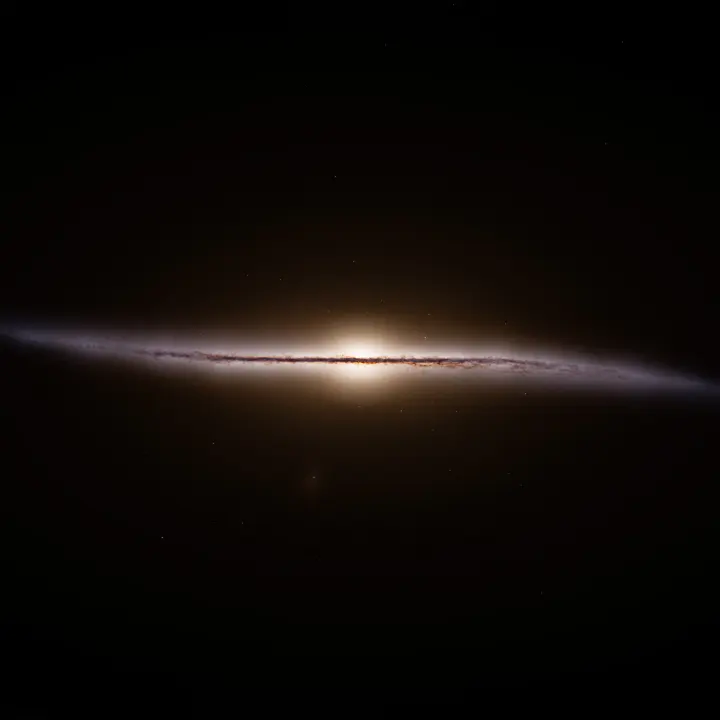
ESA’s Gaia repeatedly measured the positions of stars. Turning those observations into a map continues after observing has ended.
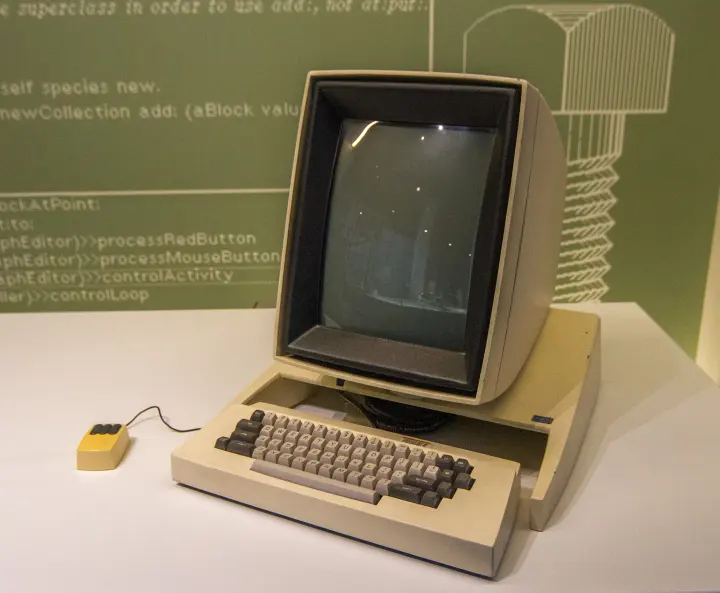
The Xerox Alto of the 1970s demonstrated a way of working with things on a screen by pointing to them.

Landsat thermal imagery shows how differently sunlit surfaces can warm up within the same city.
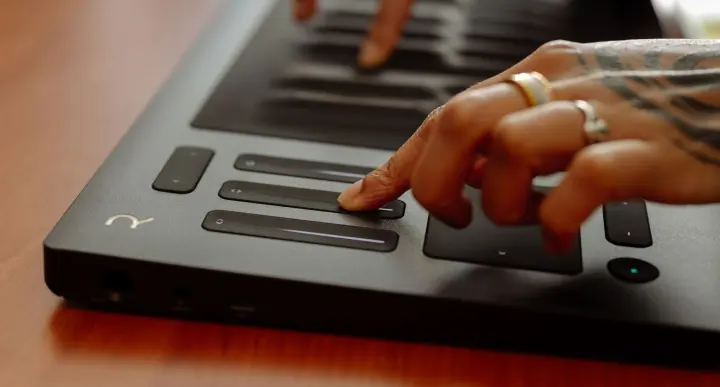
ROLI's Seaboard 2 responds to finger movements after the initial strike. Pressing, wiggling, and sliding let players shape the pitch and timbre of a sustained note.
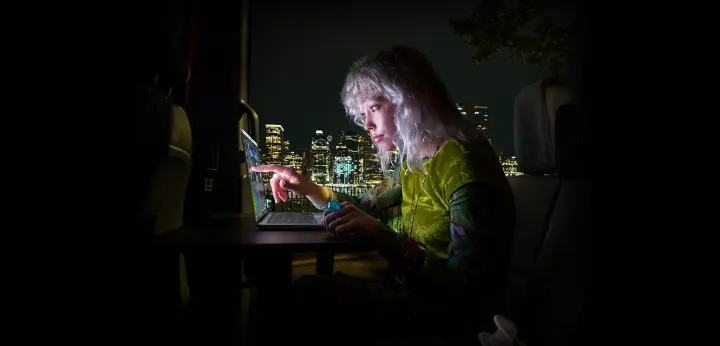
Apple has announced MacBook Pro models with a touch-enabled PROLED XDR display. Ahead of their November 6 release, we look at what changes for the screen and its controls.
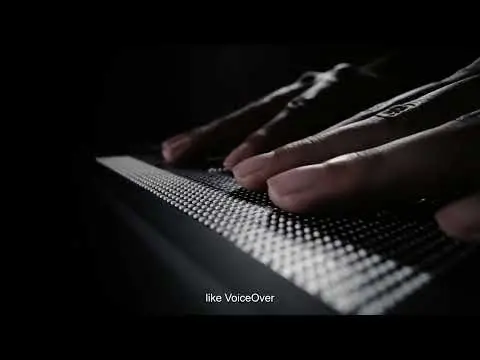
Moving pins turn images and graphs into tactile information. Dot Pad X’s main graphic area and separate Braille line serve different purposes.