
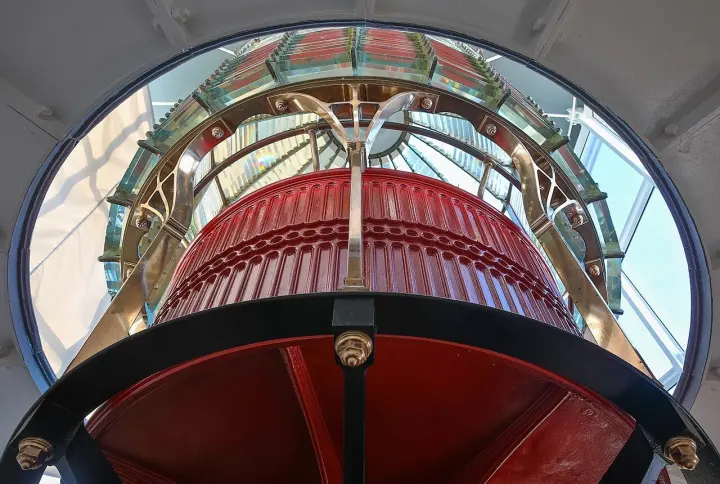
The Fresnel lens that sends lighthouse beams farther
Fresnel optics arrange angled sections to concentrate light without a single massive lens. The glittering structure was a tool for distant ships.
Fresnel optics arrange angled sections to concentrate light without a single massive lens. The glittering structure was a tool for distant ships.
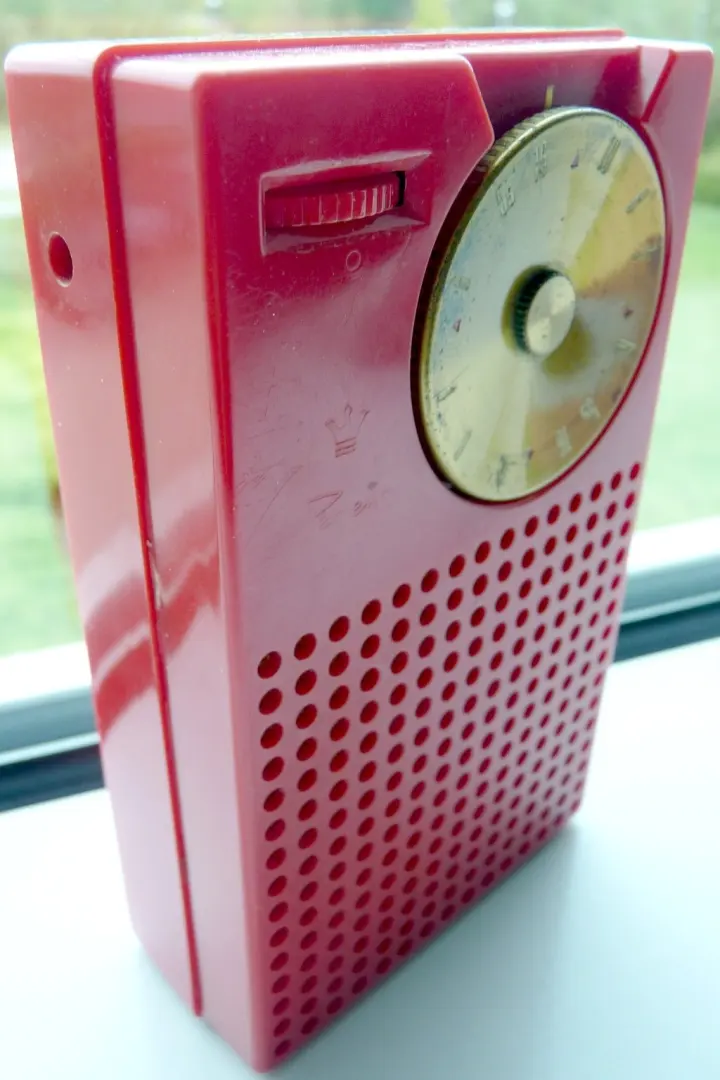
Four transistors helped make the 1954 Regency TR-1 small enough to carry. Changes inside the radio let listeners take it beyond the living room.
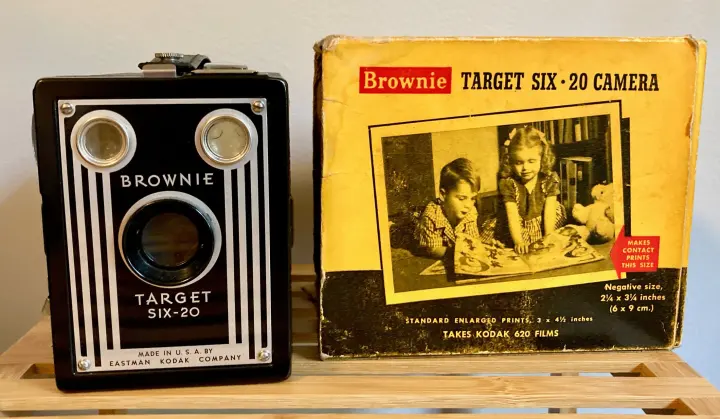
Kodak’s 1900 Brownie lowered the price of entry to photography. Its small box began a family of many different cameras.
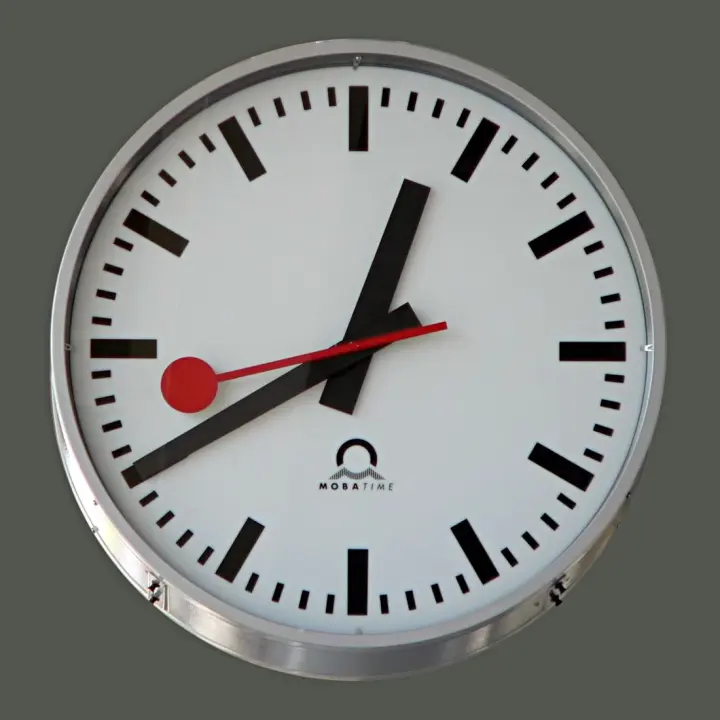
The red second hand waits for the next minute. A movement associated with synchronizing station clocks survives in a domestic version.
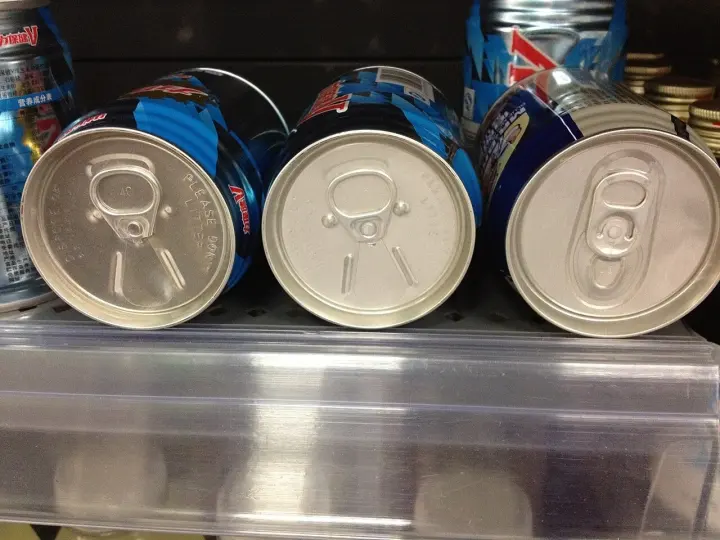
A drink-can tab is a tiny lever. Its geometry opens the scored panel while keeping the used pieces attached.
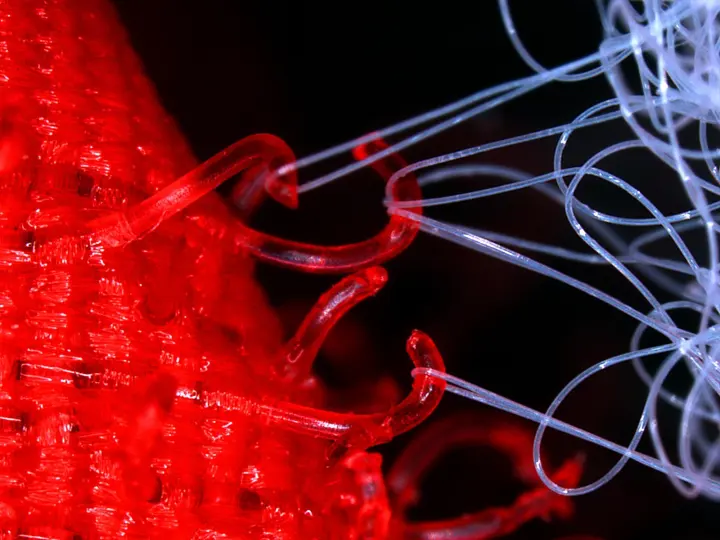
Small hooks engage with loops and release again. The idea behind Velcro began with burrs caught on clothing and a dog after a walk.
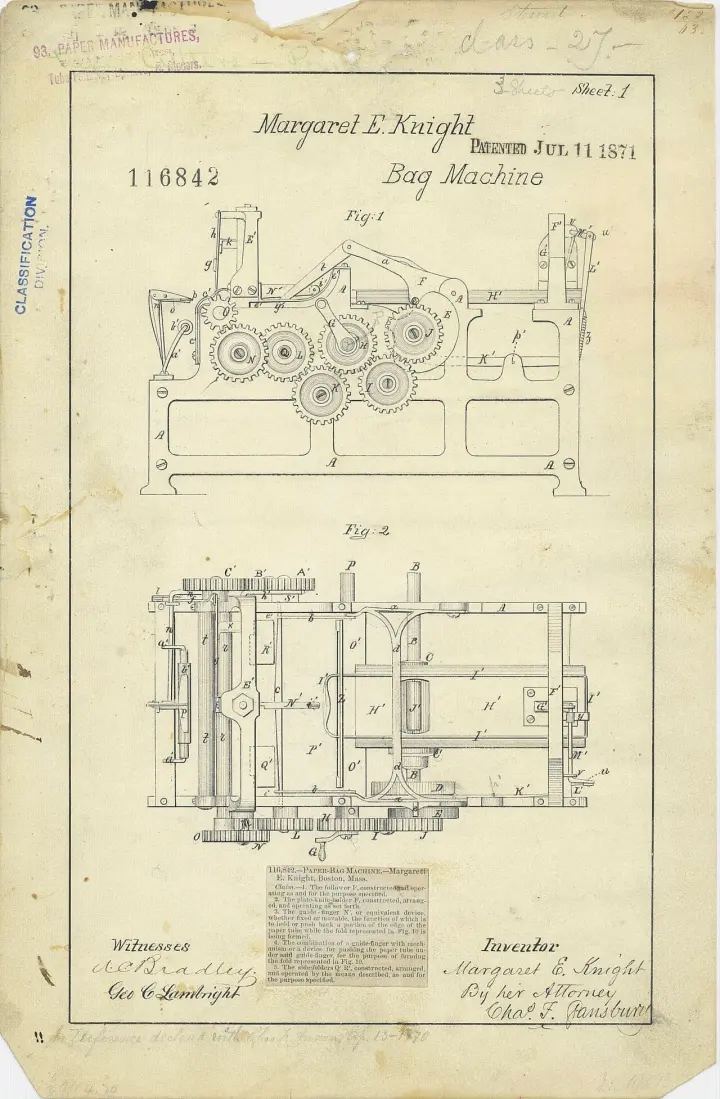
Cut, fold and paste: Margaret Knight’s machine turned the work of making a square-bottomed paper bag into a sequence of mechanical movements.
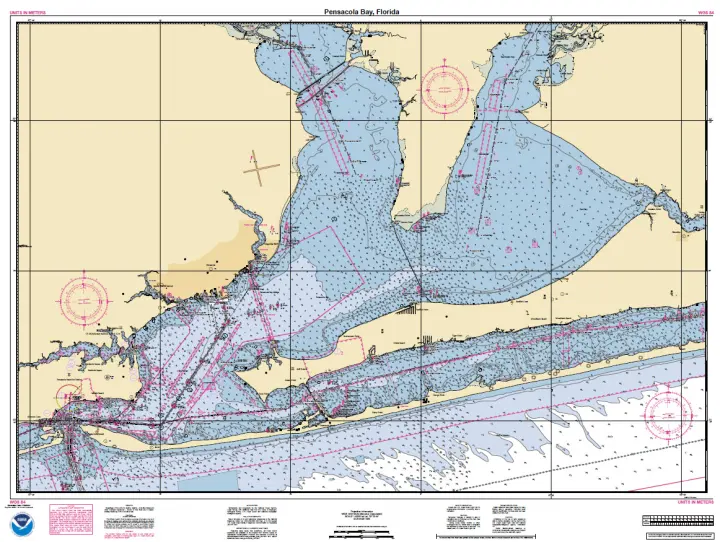
Electronic chart data lets mariners choose the waters they need and create a chart to print.
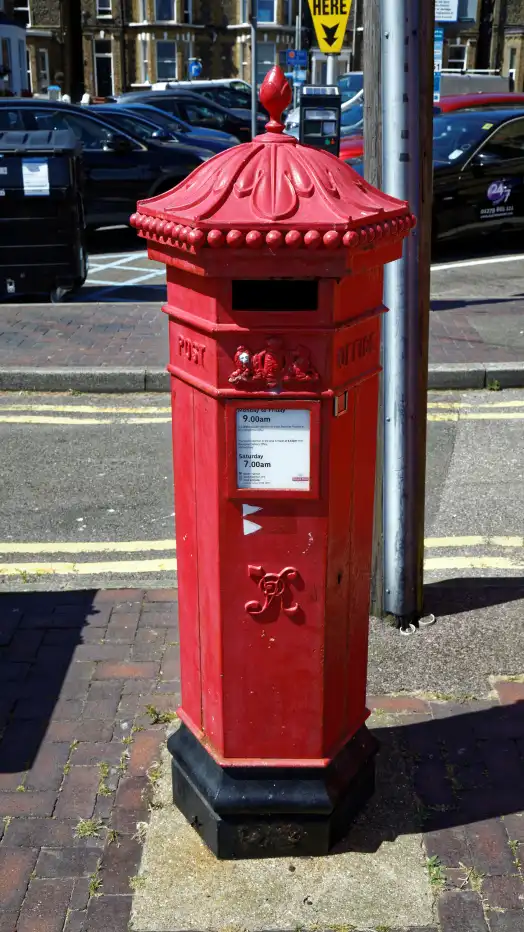
Similar red postboxes can carry royal cyphers that offer clues to the different periods in which they were made.
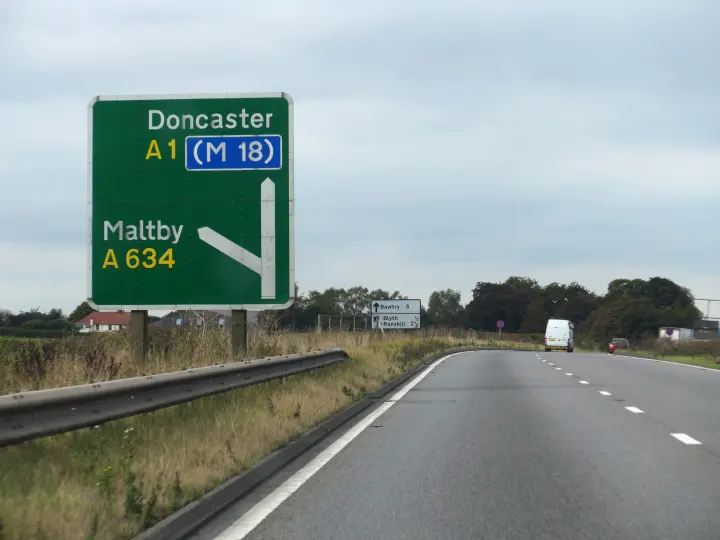
Jock Kinneir and Margaret Calvert designed road signs around the brief time drivers have to read them.
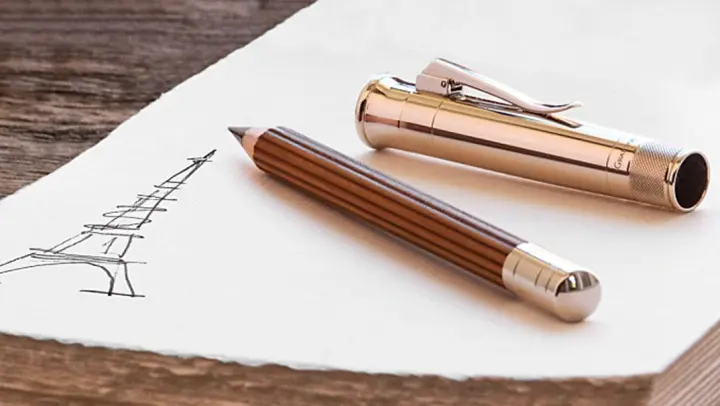
The Perfect Pencil’s protective cap contains a sharpener and doubles as an extender while writing. Its small parts bring writing, sharpening and erasing together.
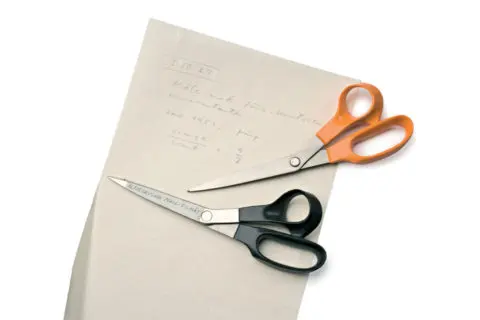
Orange was not the original plan for Fiskars’ 1967 scissors. A choice made while producing prototypes became the colour of a familiar tool.