
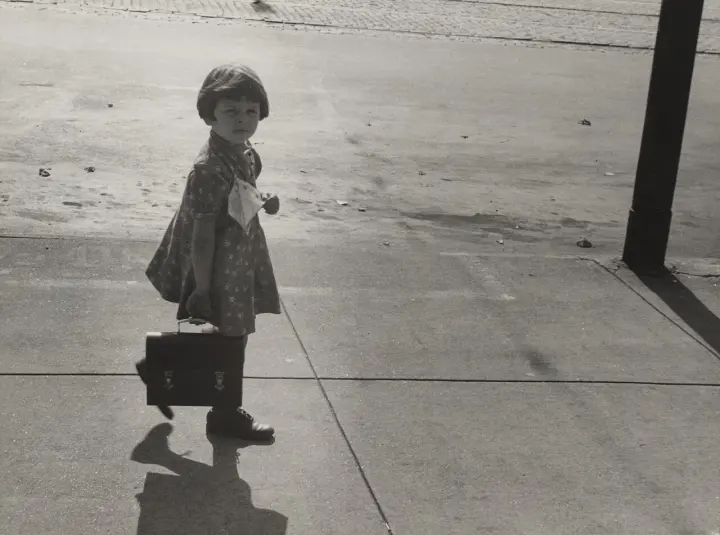
When a TV cowboy appeared on a lunchbox
A TV cowboy appeared on the 1950 Hopalong Cassidy lunchbox. A favourite character became another reason to choose the container that carried lunch.
A TV cowboy appeared on the 1950 Hopalong Cassidy lunchbox. A favourite character became another reason to choose the container that carried lunch.
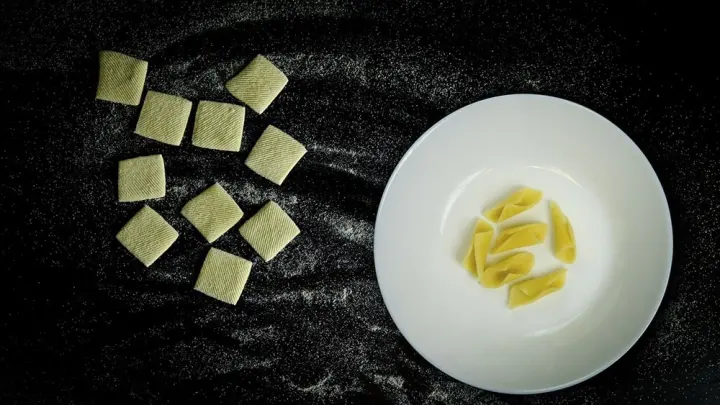
Surface grooves make pasta change shape as it cooks. The 2021 morphing-pasta research explored a way to reduce packing space.
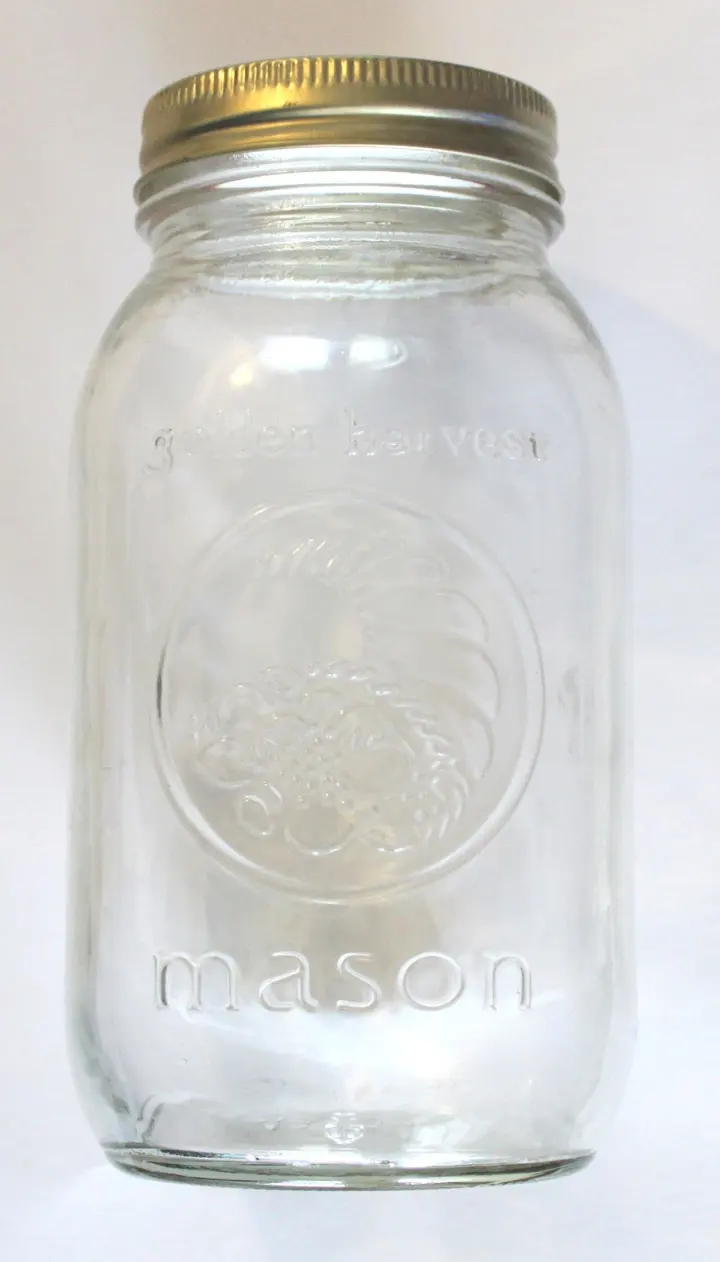
The 1858 inscription on Mason jars refers to a patent. It also appeared on later production, so the date alone cannot establish a jar’s age.
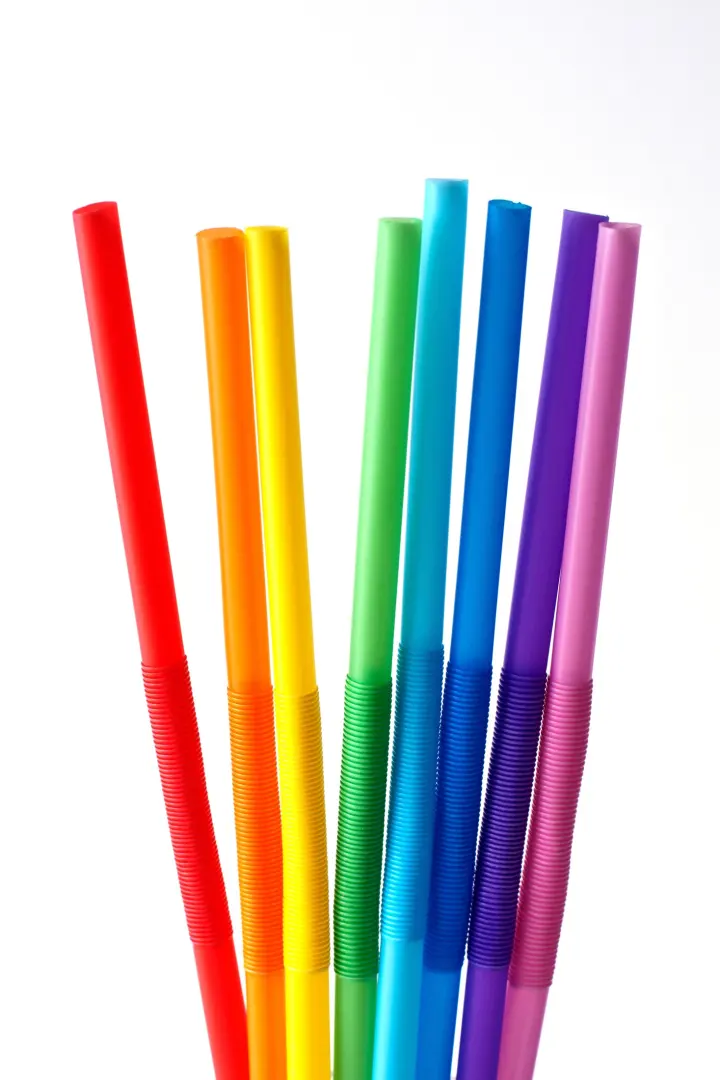
Watching his daughter struggle with a milkshake led Friedman to corrugate a paper straw. His first customer for the flexible version was a hospital.
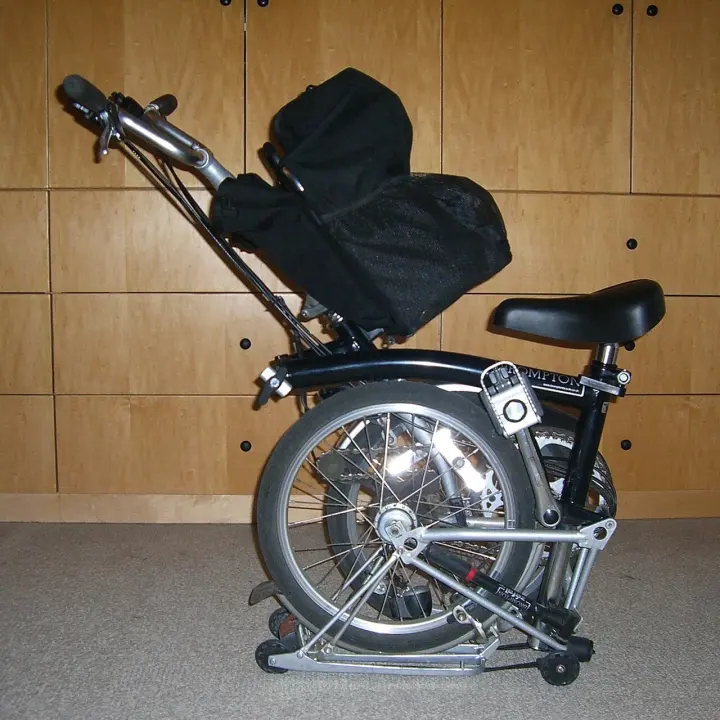
Fold the rear wheel under, then bring in the front and handlebar sections. Brompton turns a bicycle into a compact package for the space it needs after the ride.
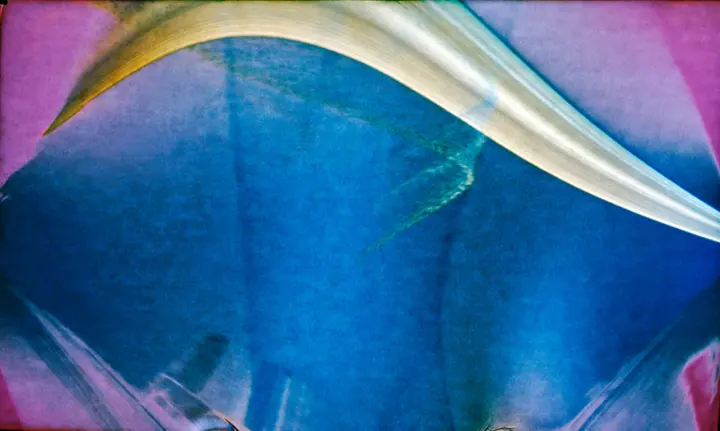
Photographic paper inside a pinhole camera can capture the Sun’s changing seasonal paths in one image.

Once your eyes have adapted to darkness, keeping light dim and directed only where it is needed matters.
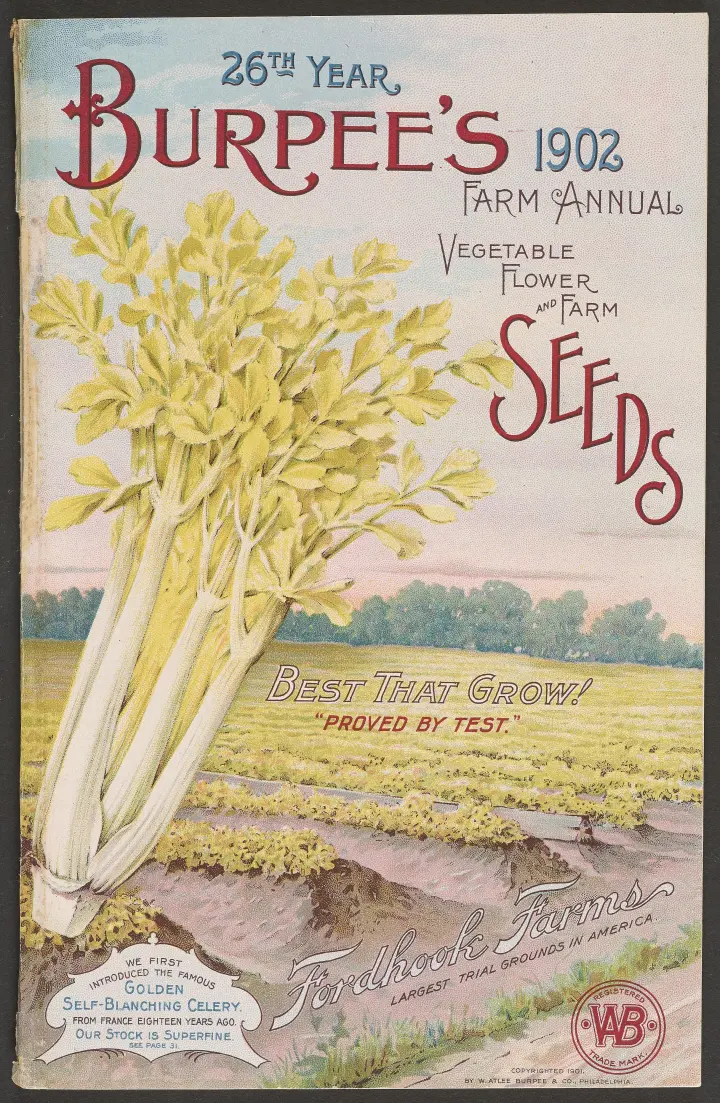
The Smithsonian’s seed and nursery catalogs offer clues to the flowers and vegetables people could choose, and the qualities sellers emphasized.
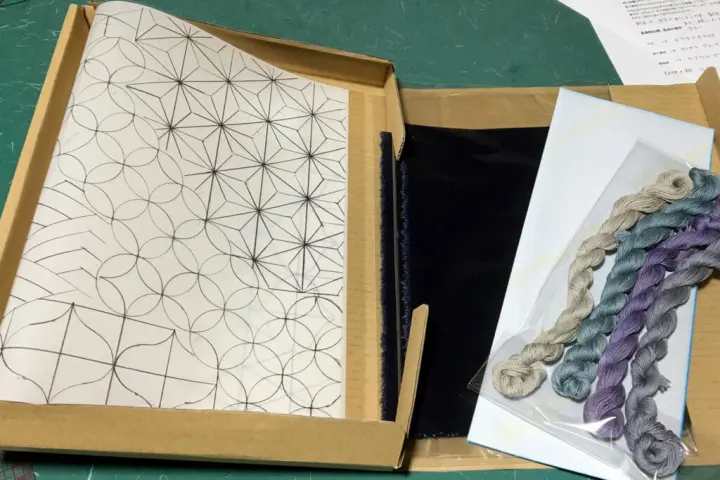
Atsushi Futatsuya shares sashiko through the people and culture behind the patterns. We look at the rhythm of stitching and the process of making together.
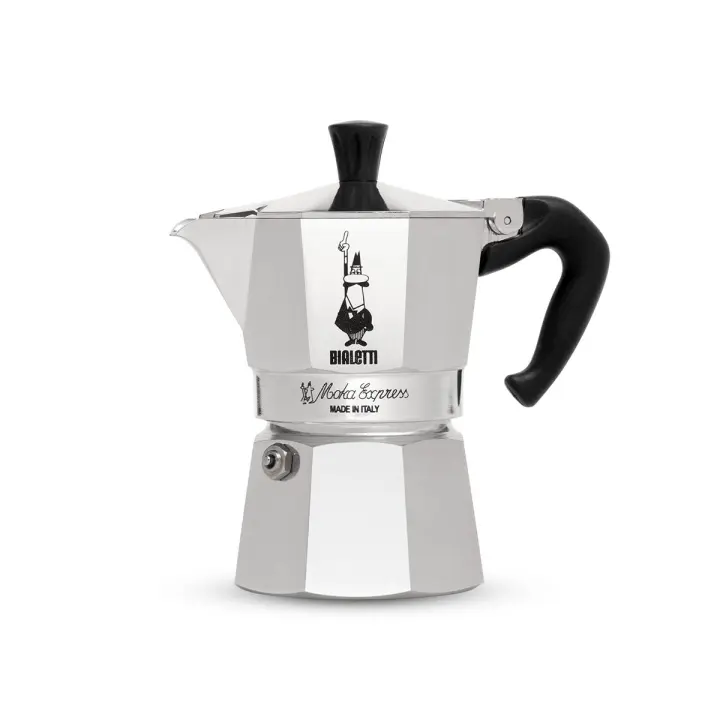
The Moka Express combines a lower water chamber, a coffee basket and an upper collector. We look at the flow of water and the daily routine behind a design dating to 1933.
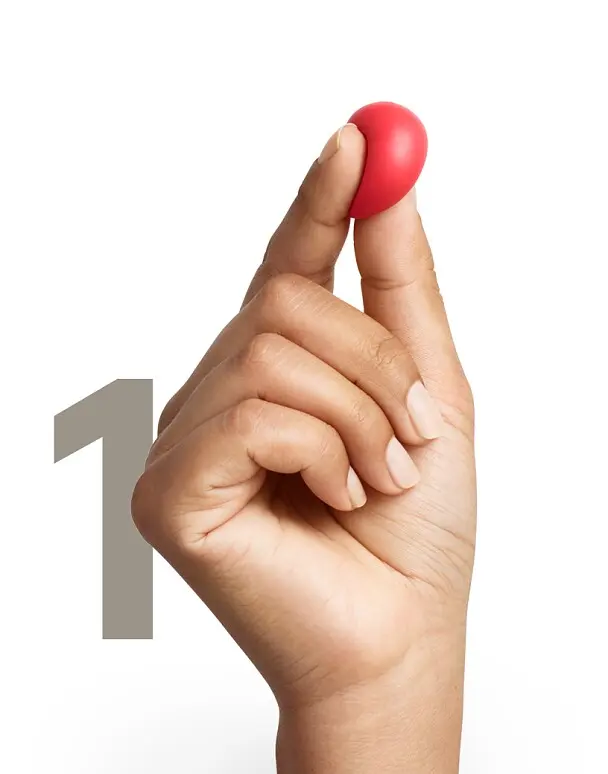
Sugru is moulded by hand before it cures into silicone rubber. Beyond bonding a gap, it lets people add a small shape a familiar object needs.
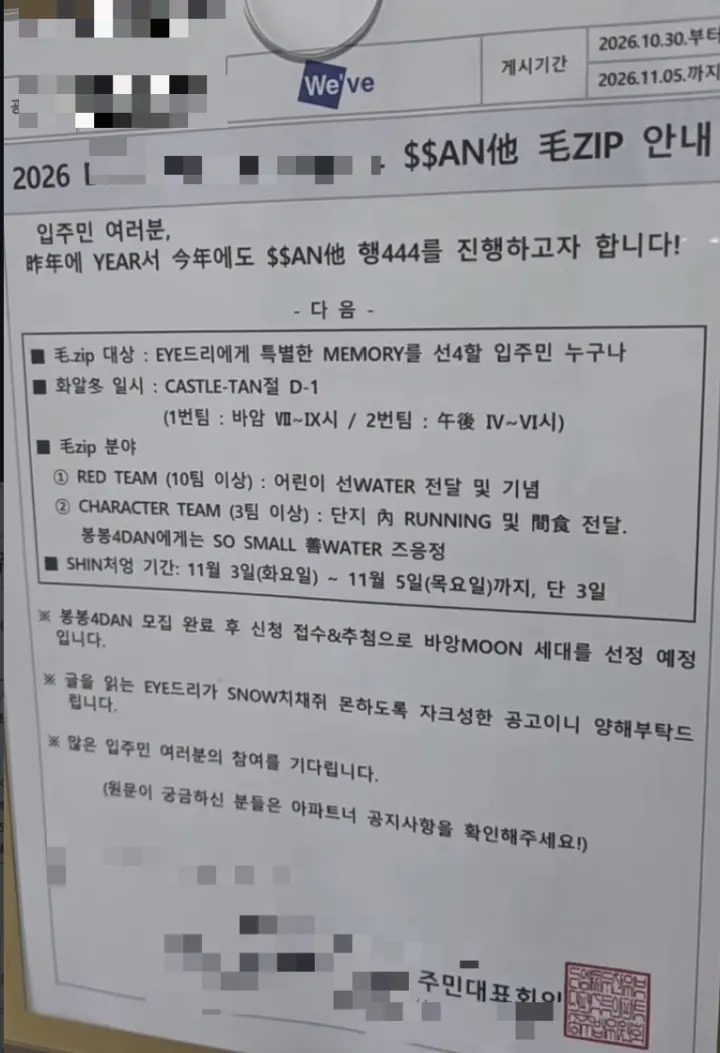
A notice at a Korean apartment complex mixes Chinese characters, English and numbers. Adults encoded a call for Santa volunteers to keep the preparations secret from children.