The 1858 inscription on Mason jars refers to a patent. It also appeared on later production, so the date alone cannot establish a jar’s age.
Article
The number 1858 appears on a blue-green glass jar. Was it made that year? On a Mason jar, this inscription refers to a patent. Jars bearing the same wording were produced later too, so the number need not give the object’s actual age.
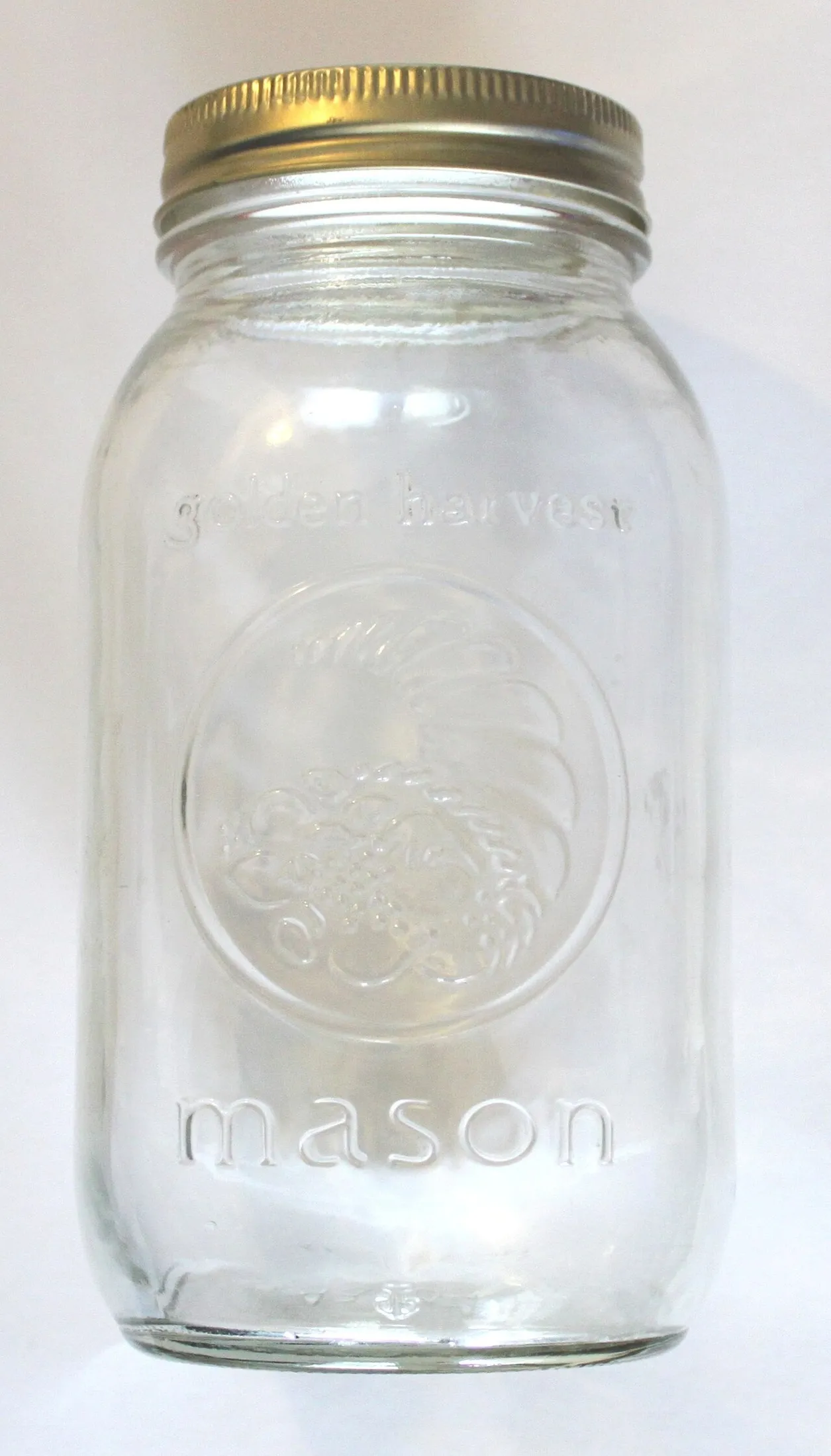
On the jar named for John Landis Mason, the mouth deserves attention. External glass threads meet a screw-on lid, standardizing the action of opening and closing. How the container was closed mattered as much as its body.
Historic New England holds a jar bearing an 1858 patent inscription. The museum distinguishes surface lettering from the object’s production period. A patent mark can continue across later products, so lettering alone cannot establish a jar’s age.
Lids and sealing methods changed over time. Sharing a screw-on closure does not mean an antique and a modern jar have identical construction. The modern Mason jar pictured here provides a comparison of the form; it is not the museum object bearing the 1858 patent inscription.
Dating an old Mason jar means examining its lid, mouth and other markings as well as the date on its body. The number 1858 does not directly identify its year of manufacture. It may refer to a patent much older than the jar in hand.
Sources and editorial notes
Historic New England · Mason jar
US Forest Service · Historical glass containers
Image source · Dwight Burdette
Editorial note: Facts were checked against the linked material. Interpretations are MUADAILY’s editorial perspective. Image: Dwight Burdette · CC BY 3.0 · Modern Mason jar and screw lid, distinct from the historic patent-marked museum object.
Machine-translated from Korean. Read the original.