Follow coordinates on a map and you may find a small container and a visitor log. Geocaching adds another reason to look closely along a familiar walking route.
Article
On my walks, I always look at similar places. I watch to see if the signal changes, then turn a familiar corner and head home. But today there is a small mark on the map. It is a notice that there is a box someone has hidden nearby.
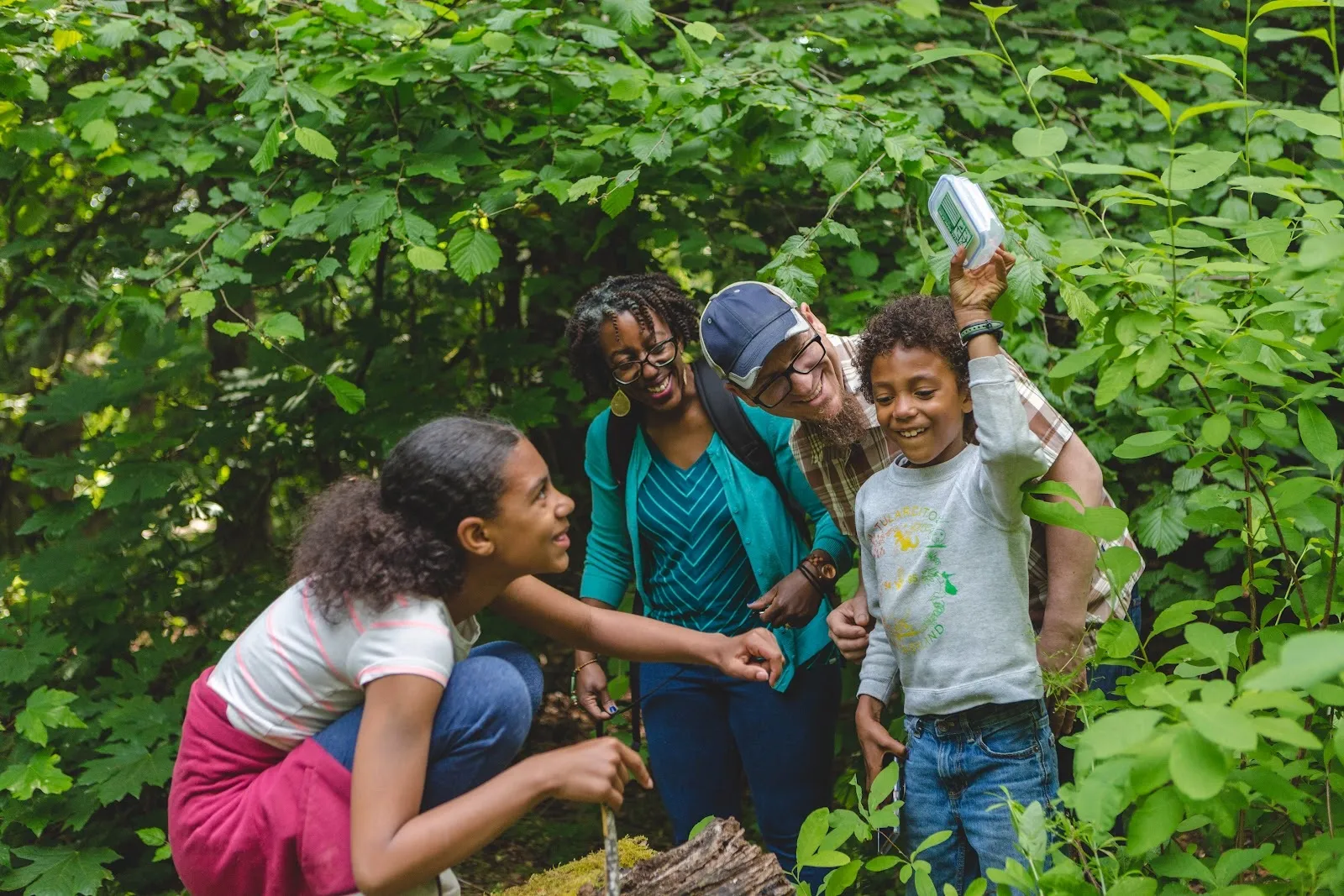
Geocaching is a hobby that involves finding hidden containers in real locations by following coordinates. Inside the box is a piece of paper to record your visit, and depending on the size, it also contains items to be exchanged. Although it is called treasure, it is not a game about taking home valuable objects.
From the map to the place itself
Your phone guides you close to a hidden cache. From there, you need to examine the surroundings. The sizes and shapes of storage boxes vary, so you can't find them in the same way. The behavior changes from following the dots on the screen to observing the place in front of you.
When you find a cache, sign the log inside and return the container to its original place. You can also leave a record of your findings online. If there is an item to exchange, replace it with an item of equal or higher value than what was taken. There should still be something for the next person to find.
What I love about this hobby is the promise behind the discovery. Finding it does not end the game: you put it back and leave the next discovery to someone else. One box loosely connects people visiting the same place.
Different goals arise on the same path
Even if you don’t necessarily increase the distance you walk, the nature of your walk can change. It changes from going quickly to the destination to stopping for a moment and looking at the surroundings. There is fun that happens when the location confirmed on the map matches the actual place.
However, finding a hidden box does not mean digging into the ground or entering an inaccessible place. The official guide also makes clear that finding a cache does not involve digging. Part of the play is following established access conditions and on-site instructions.
After you return the box, you may not have anything special left in your hands. Instead, a familiar route now contains a place you have searched and found. On the next walk, you may wonder whether someone else has visited since. The same path feels a little different.
Sources and editorial notes
Geocaching · Official training guide and frequently asked questions
Editorial note: Facts were checked against the sources above; interpretations are MUADAILY’s editorial views. Image: Groundspeak Inc. (dba Geocaching) · Official press photo.
Machine-translated from Korean. Read the original.