The Raspberry Pi desktop is back for PC and Intel Mac. You can run it from USB first to find other uses for your old computer.
Article
A laptop sits in a drawer, its screen and keyboard still intact. Since a newer computer arrived, it has had little to do. Throwing it away feels wasteful, but using it recalls a slow and cumbersome setup. The PC and Mac operating system Raspberry Pi announced on October 6 offers one way to try it again. Despite the name, no palm-sized Raspberry Pi board is required.
Raspberry Pi Desktop brings the menus and application interface familiar from Raspberry Pi to Debian Trixie, a Linux operating system. It can replace Windows or macOS for browsing the web and running applications. The hardware stays; the operating system changes.
A useful feature is the chance to try it before installing. Write the operating-system image to a USB drive and boot the computer from it. The official guide also explains how to retain changes on the USB drive. This lets users check the display, sound, and Wi-Fi before installing on internal storage. Existing files should be backed up before choosing an internal installation.
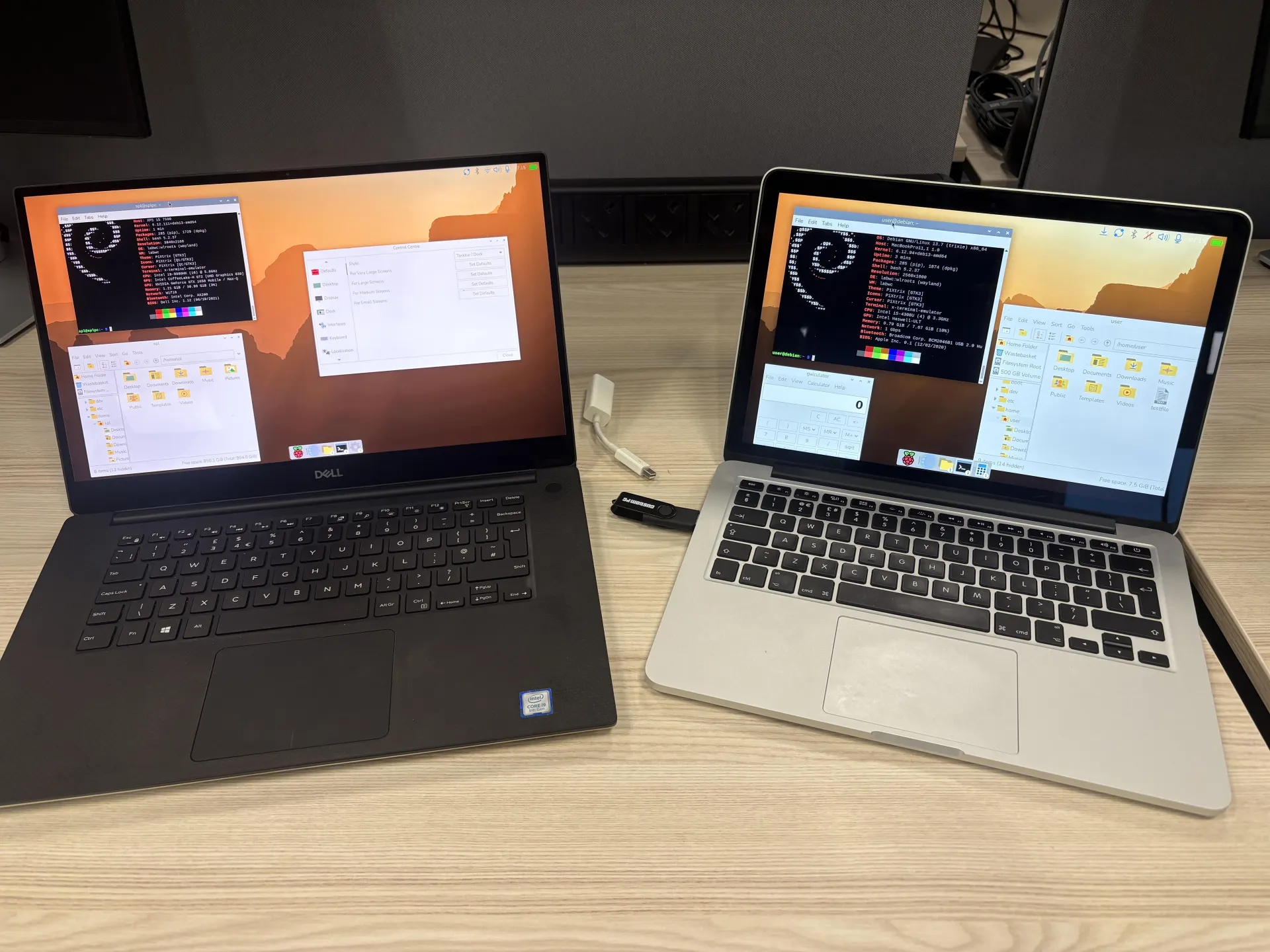
Compatibility has limits. This PC edition targets 64-bit x86 hardware, including typical Intel or AMD PCs and Intel-based Macs. It is not an edition for Apple M-series Macs. The announcement demonstrates it on a 2020 Dell XPS and a 2014 MacBook Pro. In this case, “works on a Mac” means an Intel Mac.
Raspberry Pi Connect is included for remote access. A registered PC or Mac can be named and accessed through browser-based screen sharing or a remote terminal. A spare computer at home might then be useful from another location. It is not a universal way to make old hardware faster: peripheral support and performance vary, and existing Windows programs do not simply transfer unchanged.
The developer's account of the update is also revealing. The PC edition began in 2016 after a request to use Raspberry Pi's menus and applications on a Mac led to a weekend experiment with USB booting. An installable edition followed, but a company funded by selling boards found separate PC software difficult to maintain. Requests for an update continued, and this year's release returns on a new base.
The promise is not the performance of a new laptop. It is a chance to give a usable screen and keyboard another job. Before changing the everyday computer, there is an old one in the drawer that can be tried from USB. What it can actually do will determine whether it earns a place on the desk again.
Sources and editorial notes
Raspberry Pi Announcement of operating system for PC and Intel Mac on October 6, 2026
Editorial note: Facts were checked against the sources above; interpretations reflect MUADAILY’s editorial perspective. Image: Raspberry Pi Ltd · Photograph of a PC running the software from the official announcement.
Machine-translated from Korean. Read the original.