
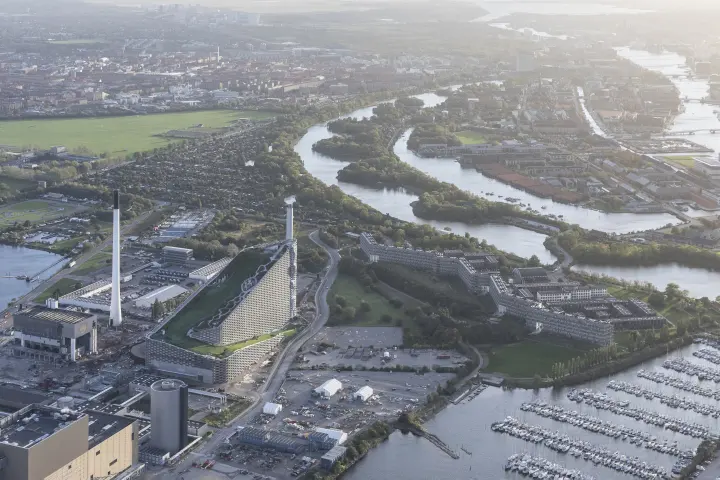
Skiing on the roof of a waste incinerator at CopenHill
Copenhagen’s CopenHill puts ski slopes and walking trails on a waste-to-energy plant. Seven years after opening, its roof shows how industrial equipment and public routes share a building.
Copenhagen’s CopenHill puts ski slopes and walking trails on a waste-to-energy plant. Seven years after opening, its roof shows how industrial equipment and public routes share a building.
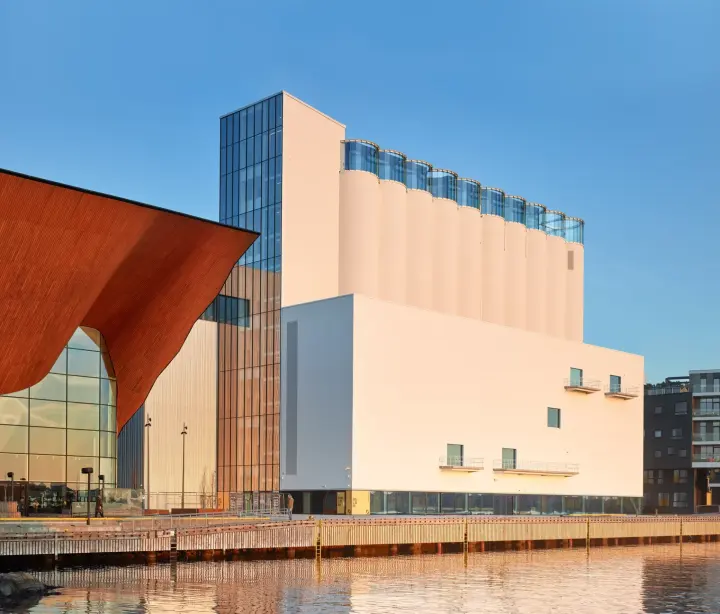
A concrete silo from 1935 has become a museum of Nordic art. Its former storage chambers still shape the scale and experience of a visit.
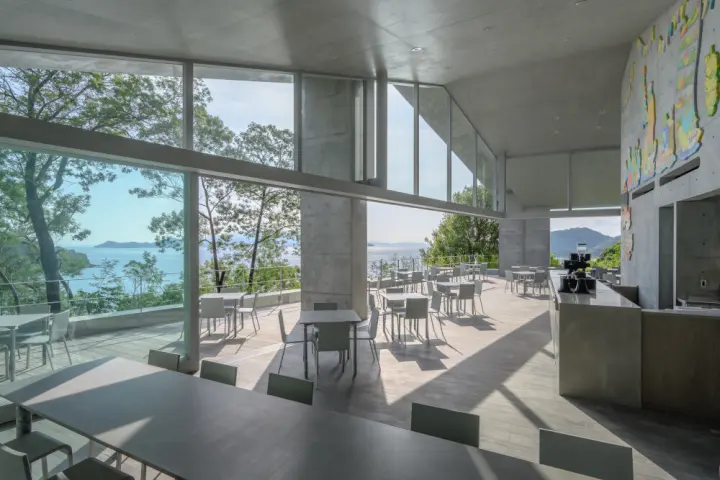
One floor above ground and two below hold works by Asian artists. Partial changes to the displays give visitors reasons to return.
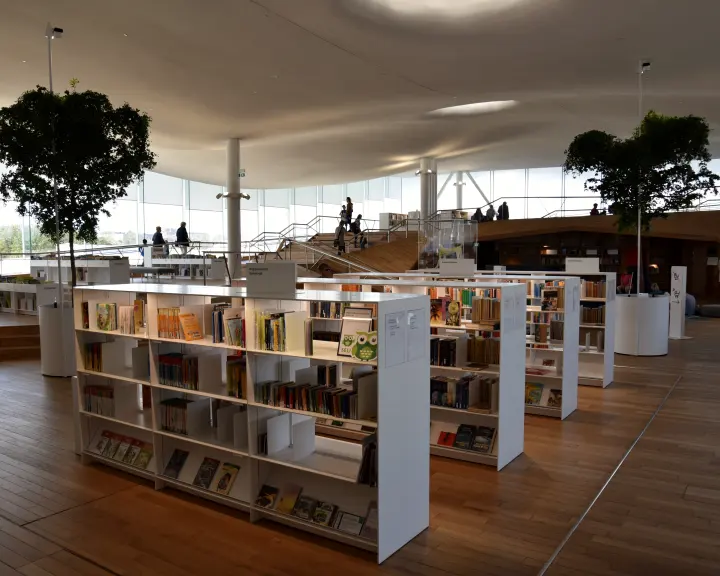
At Helsinki’s Oodi, a library card gives access to instruments and studios, with rooms to try what you have read and learned.
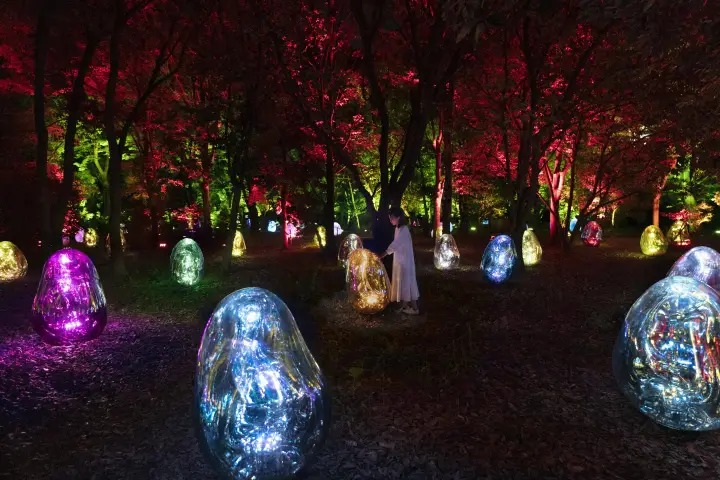
At night, Osaka’s Nagai Botanical Garden becomes an outdoor exhibition of light and sound. Wind and visitors’ movements help change the works.
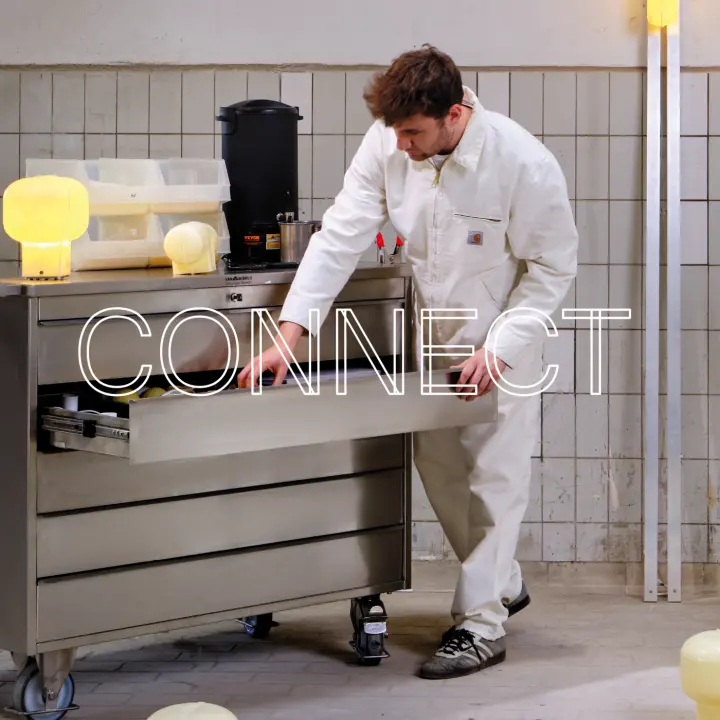
CONNECT in Ghent invites visitors to make, touch, and experiment together, adding hands-on activity to looking and reading.
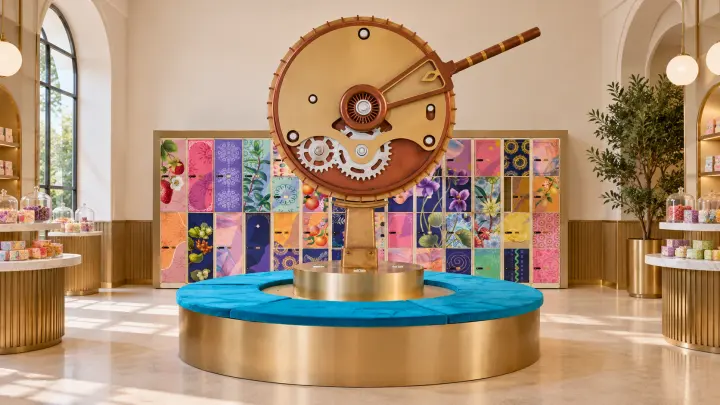
Italian confectionery brand Leone’s Happiness Factory turns the colors and shapes of its packaging into spaces people can walk through.
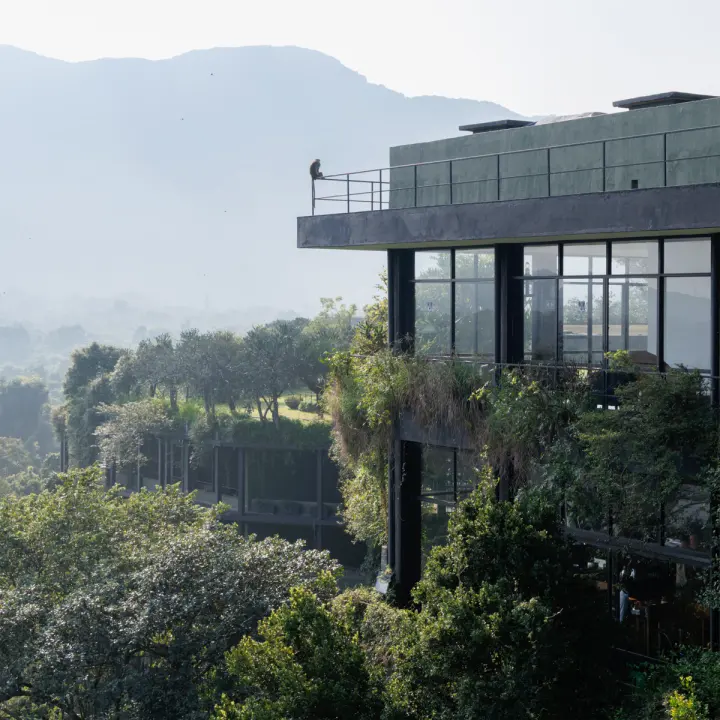
Plants grow along the walls of the Kandalama Hotel. Vitra Design Museum’s Geoffrey Bawa retrospective invites us to see architecture together with its surroundings.
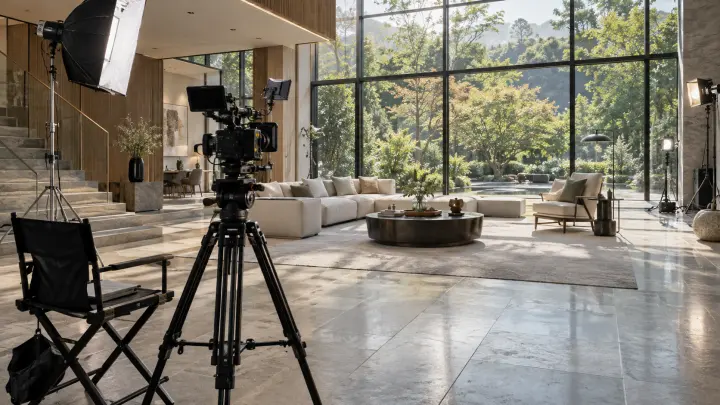
The drama is new, but the house looks familiar. MAIIM Vision Village reveals the relationship between a wealthy fictional home and the real space used to portray it.
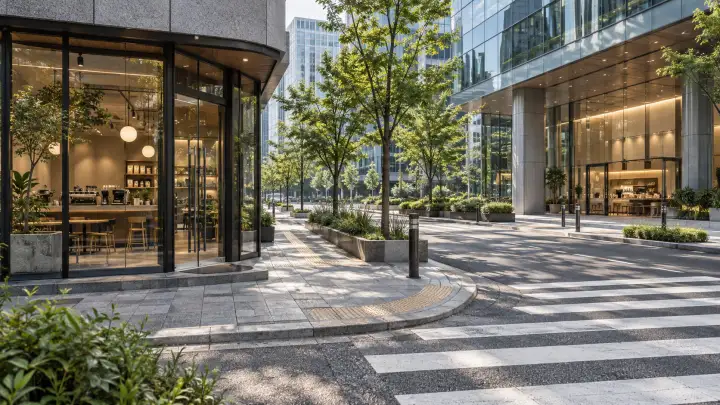
Two stores close together on a map can occupy very different places in a walk. Entrances and everyday routes help explain the space between matching signs.

Self-cleaning kitchens and houses assembled in a day: LACMA revisits the future homes imagined during the last century.
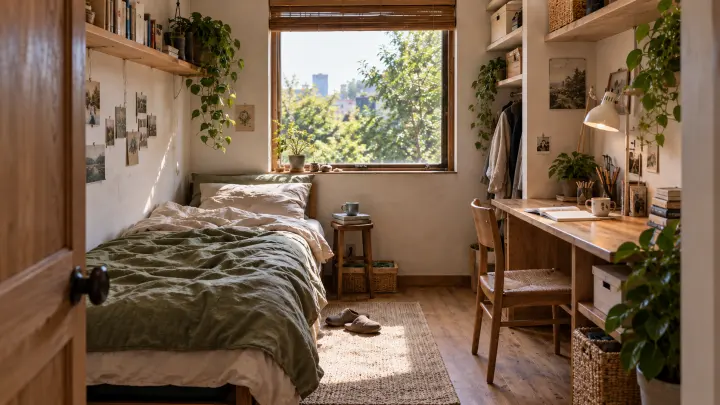
Adding a bed leaves less room for a desk. Starting with the same nine-square-meter footprint, these small dwellings make room for different ways of living.