A zipper moves when you pull it and stays in place when you let it go. A locking mechanism is hidden in the small movements our fingers use every day.
Article
Pull up a zipper and let go of the tab. After that, there is little to think about. You expect it to stay in place while you wear the clothing and move around. To lower it again, you take the tab and pull.
The familiar behavior of moving only when deliberately pulled depends on a mechanism. The zipper's locking slider is a part that holds the zipper from moving uncontrollably when the handle is released. Though easy to overlook, it is a part that makes daily repetitive movements easier.
Lifting the tab releases the catch
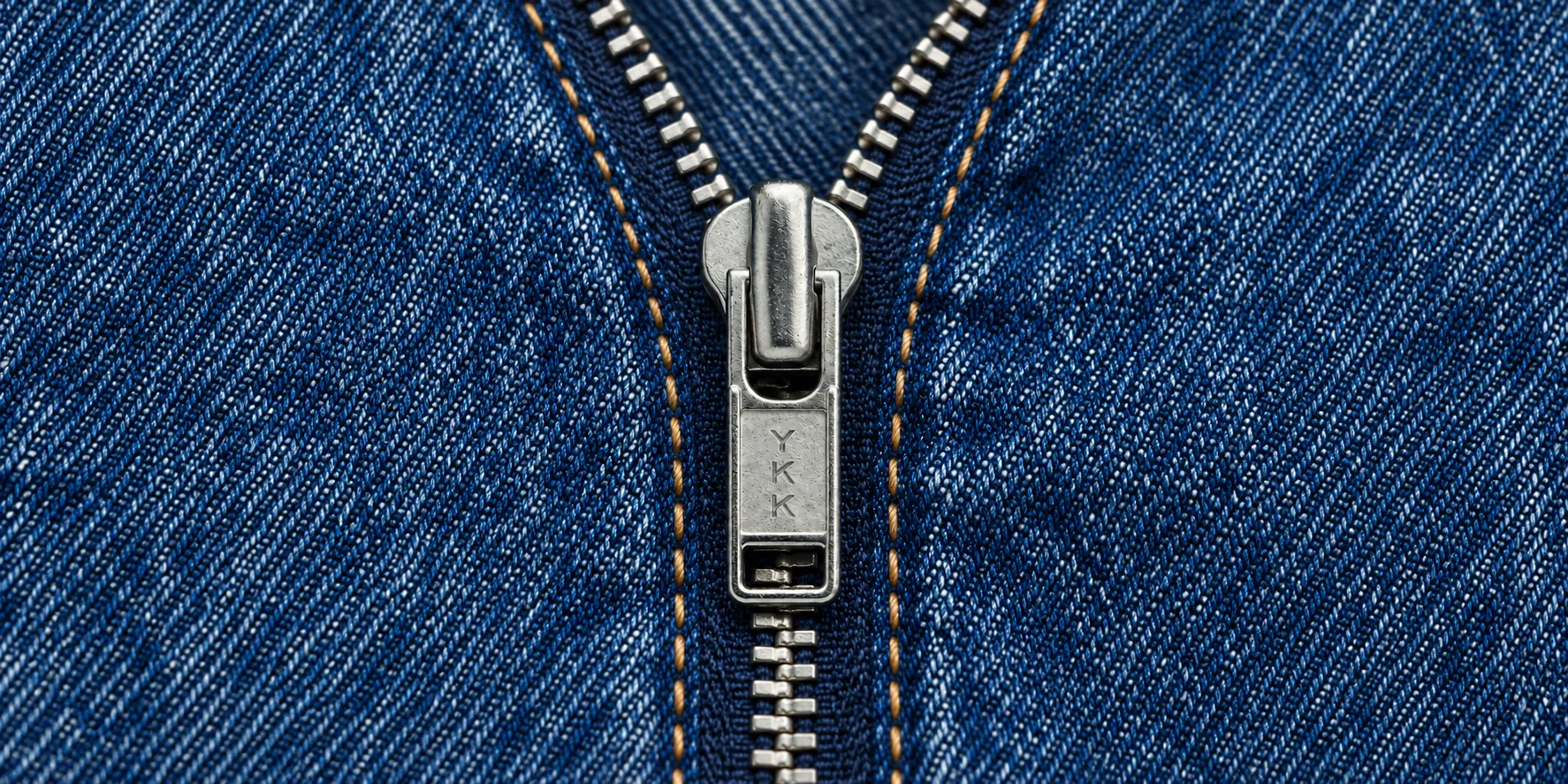
The locking slider introduced by YKK has a small locking pin that catches on the zipper teeth. In some designs, the pin engages when the handle is lowered and releases when the handle is lifted. There is a reason for lifting the handle slightly before pulling.
In an automatic-locking design, the force that pulls on the handle unlocks the lock, and when the force is released, the spring locks it again. Even zippers that are similar on the outside may have different locking methods. Not all zippers require the handle to be lifted at the same angle.
What's interesting is that two things happen within the movement of the hand, even without a separate lock button. If you pull it, it moves, and if you let it go, it stays. You don't need to learn the structure of the device to use a zipper, but if you know the structure, the short movement looks a little different.
Staying put is a function too
When talking about a zipper, the first thing that comes to mind is how smoothly it goes up and down. However, the ability to stop where you want is also important. A zipper that slides smoothly but opens on its own is of little use on clothing.
The small part of the zipper puts these conflicting demands into the same handle. When a person pulls, it releases the catch, and when a person releases it, it stays in place again. This eliminates the need to continuously apply force while using it.
I like this design. Rather than showing one more eye-catching feature, it gives users one less thing to worry about. You can zip up your clothes and move on to the next task without having to think of a locking pin. Even when you let go of the handle, the object continues its work.
Sources and editorial notes
YKK · Why zippers don’t open on their own
Editorial note: Facts were checked against the sources above; interpretations are MUADAILY’s editorial views. Image: MUADAILY · AI-generated explanatory image based on YKK component forms; not a photograph of an actual installation.
Machine-translated from Korean. Read the original.