Opening on November 26, Biocolour looks at the materials and processes behind colour.
Article
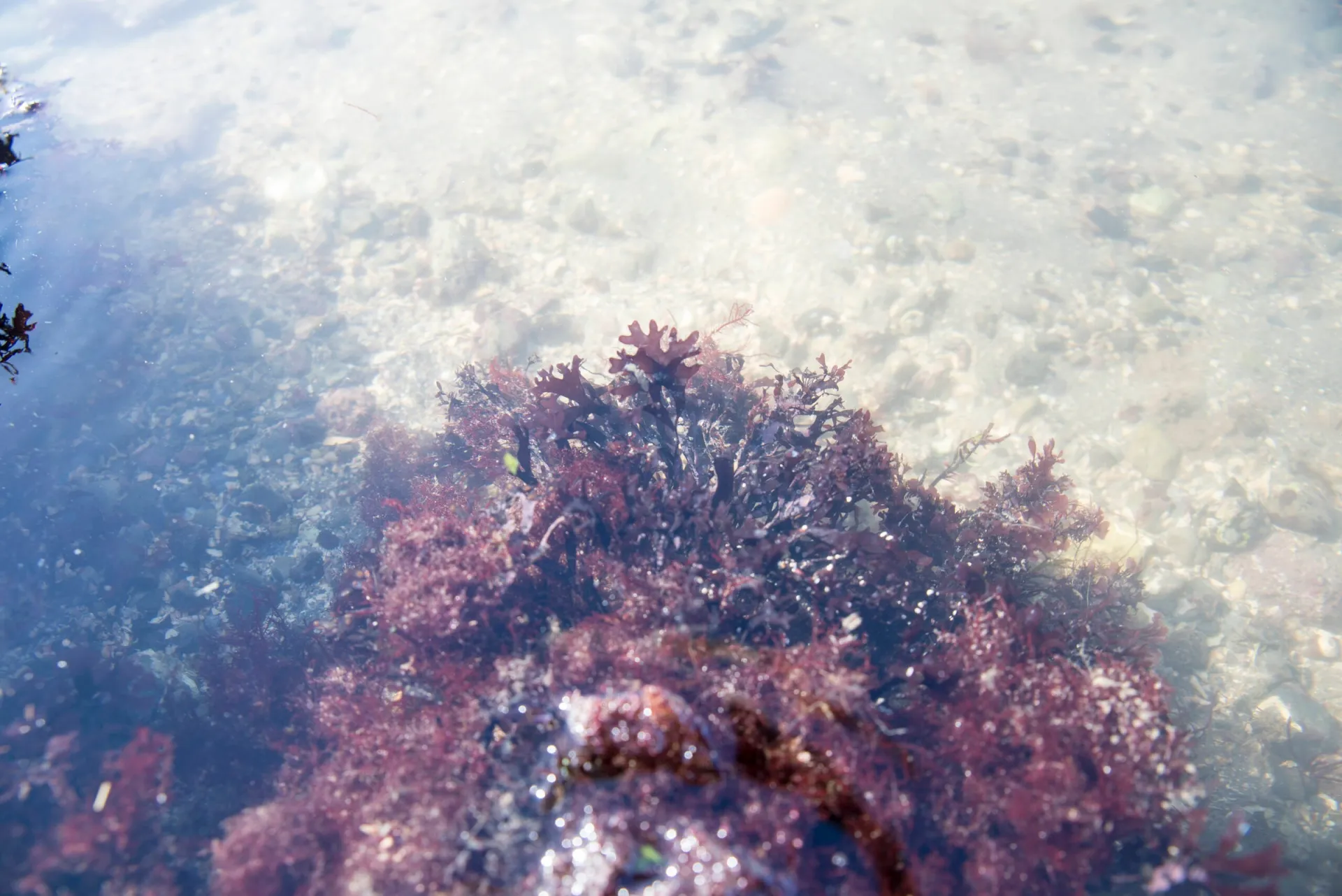
A photograph of red seaweed introduces Biocolour at the V&A. Before showing finished clothes or furniture, the display’s announcement points to a source of colour: what a dye begins as, before it reaches fabric. [1]
Scheduled to open in the Furniture Gallery at South Kensington on November 26, 2026, it brings together Finnish materials company Shimber, Belgian architecture studio Bento, Dutch dye company Zeefier and British researcher Ella Hetherington. Their work explores lasting colour from natural, renewable materials. [1]
Zeefier develops textile dyes from seaweed. An EU account describes its work on the dyeing technology and its expansion towards existing dye industries. A material from the sea leaves colour on fabric made on land. [2]
After obtaining a colour comes the task of keeping it in the fabric. Different fibres take up dyes differently, and washing or sunlight can alter the result. The vibrancy and durability highlighted by the display are properties to consider under those conditions.
Biocolour belongs to the V&A’s long-term Make Good programme and is scheduled to run until October 31, 2027. Looking at a raw material such as seaweed alongside the colours it produces offers a way to follow what changes through dyeing. [1]
Sources and editorial notes
[2] EU Blue Economy Observatory · Zeefier
Editorial note: Facts were checked against the linked sources. Interpretations are MUADAILY’s editorial perspective. Image: Hannah Braeken / Zeefier / V&A · Red seaweed used as a dye material by Zeefier, pictured in the V&A’s introduction to Biocolour.
Machine-translated from Korean. Read the original.