
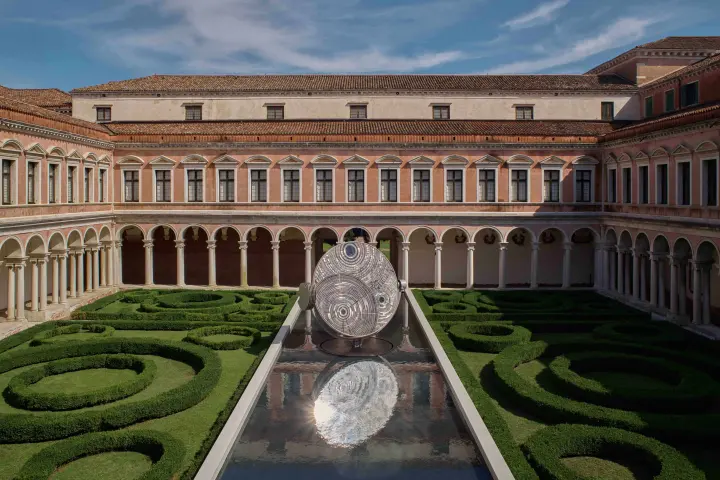
Homo Faber reveals the work behind crafted objects
Homo Faber 2026 highlighted finished objects and the processes behind them. A look back at how the exhibition presented craft.
Homo Faber 2026 highlighted finished objects and the processes behind them. A look back at how the exhibition presented craft.
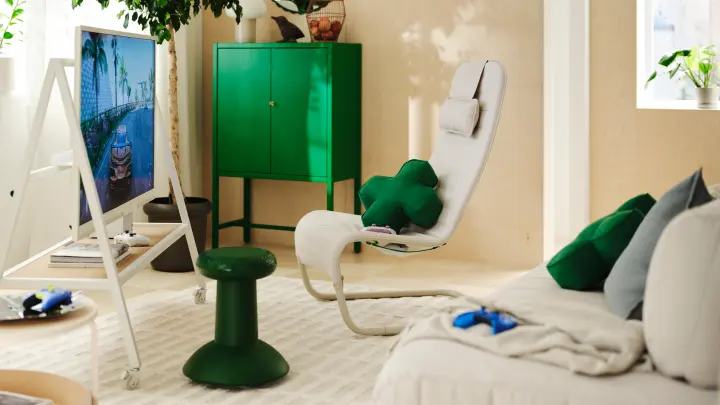
IKEA looked at how players put their equipment away as well as how they play. Beside a thumbstick stool sits a storage box that helps return the dining table to everyday use.
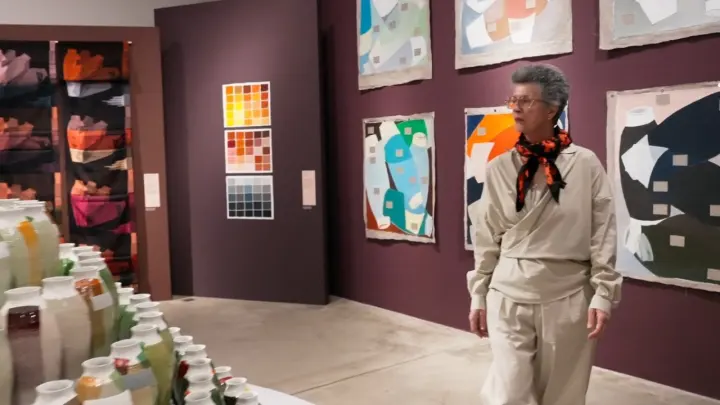
Hella Jongerius has studied color in the surfaces and materials of objects and in the process of making them. The Hamburg retrospective presents both the finished product and the experiments leading up to it.
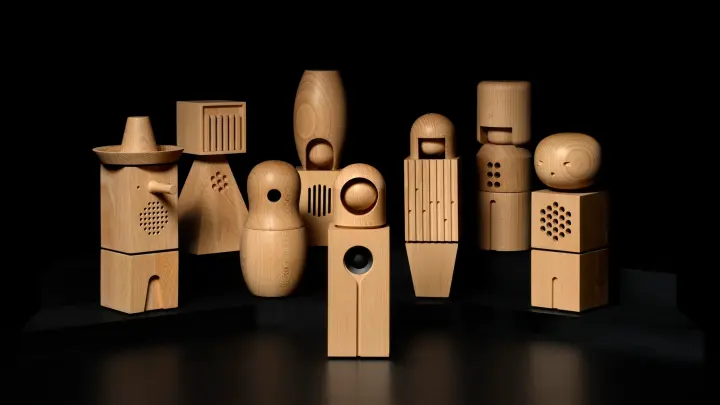
Wooden dolls with different shapes and voices sing together. Teenage Engineering's choir turns playing music into the experience of forming a small choir.
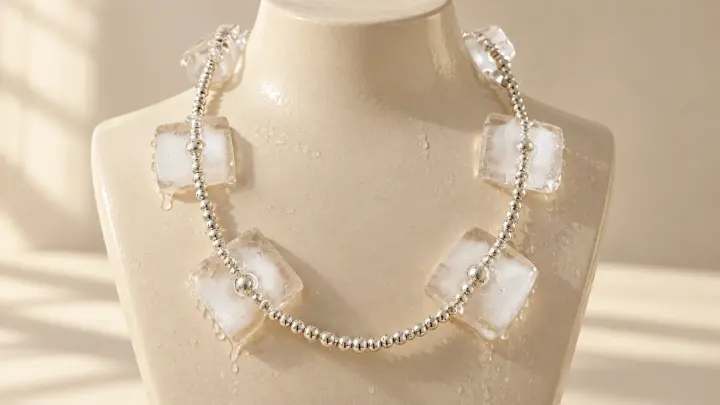
Real ice sits among silver beads. The jewelry made by GOLEM and Laila El Mehelmy changes gradually as it warms against the body.
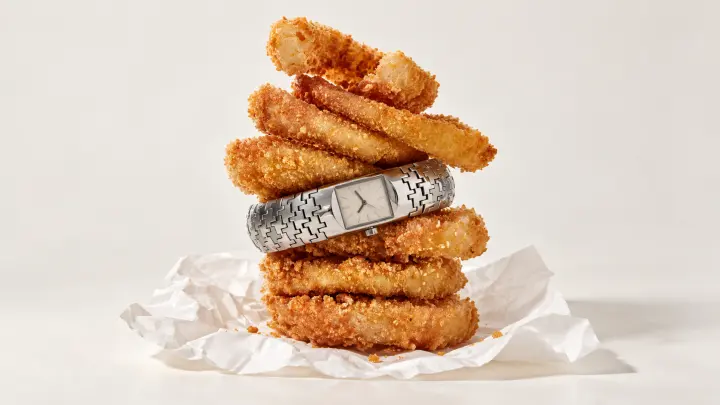
In Sam Nicklin’s still-life photographs, a watch wraps around onion rings and a bag sits on a small lift. Unexpected pairings give familiar objects a sense of humor.

A 1937 coat created by Schiaparelli and Jean Cocteau turns a visual illusion into embroidery on a moving garment.
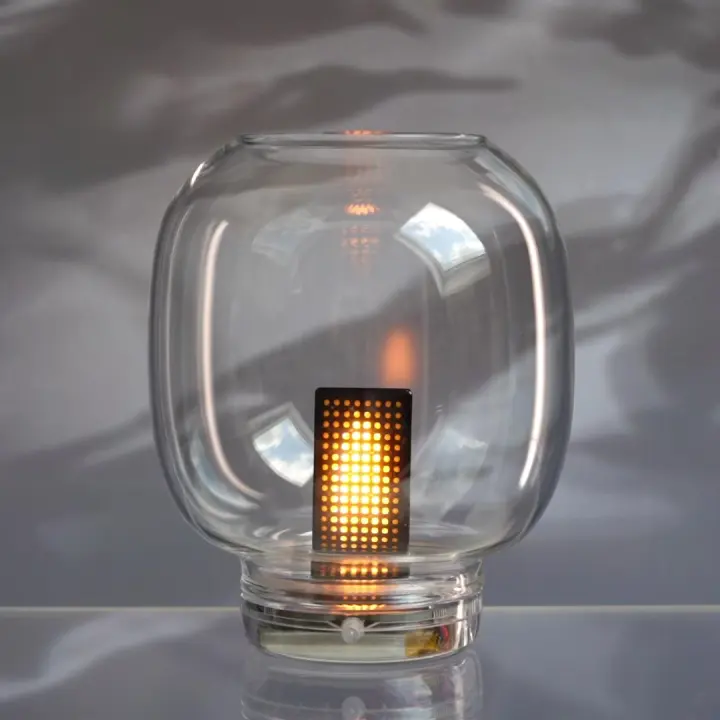
Lumeable uses a small LED array to imitate a moving flame. The design focuses on the shape and behavior of light, rather than simply how much it emits.

LAIKA’s Wildwood exhibition reveals the hands and designs behind movement, from a single puppet to a forest scene.

The encounter continues beyond finished objects, toward materials and the people who work with them. Kyoto’s new triennale extends its exhibitions across the city.
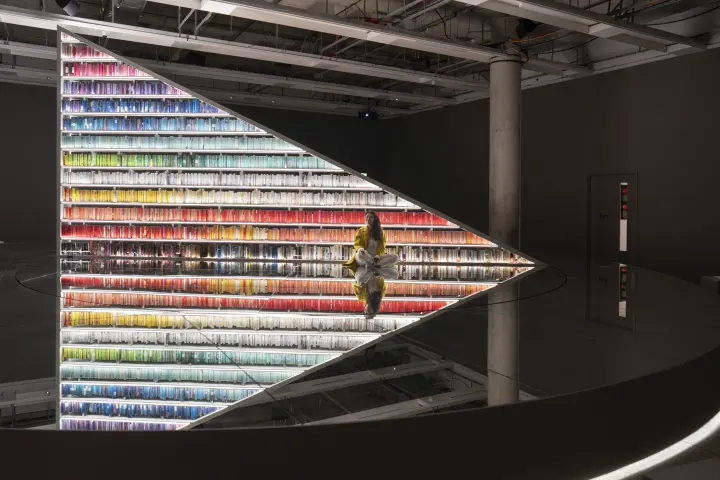
Behind vast stages are small sketches, models and books read many times. Es Devlin’s exhibition reveals those starting points.
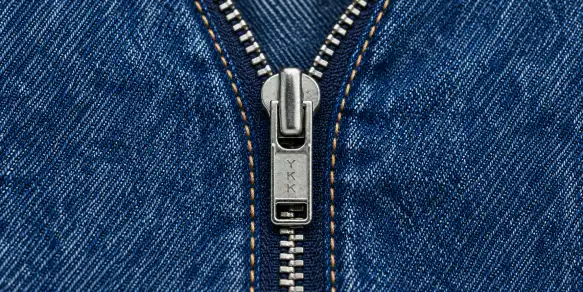
A zipper moves when you pull it and stays in place when you let it go. A locking mechanism is hidden in the small movements our fingers use every day.