Created in 1994 to read automotive-part information quickly, QR codes use three position markers and a distinctive 1:1:3:1:1 black-and-white ratio.
Article
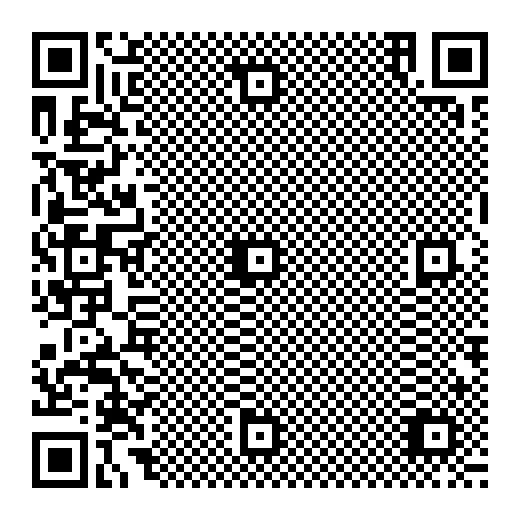
A phone can recognise a QR code even when the camera approaches it at an angle. Among the dense black marks, three corners contain conspicuously large squares. These tell the reader where the code is and which way it faces. They are markers that help locate the data.
QR Code was introduced in 1994 by a development team at DENSO, in the division that later became DENSO WAVE. The initial task was to read automotive-part information faster. Ordinary barcodes held too little information, requiring repeated scans of several codes. A two-dimensional code could use both horizontal and vertical space, but its position still had to be found quickly.
The development team sought a marker unlikely to be confused with nearby text or pictures. According to DENSO WAVE’s history, they examined black-and-white patterns in printed material and chose an uncommon ratio. Across the centre of a position marker, the alternating widths follow a 1:1:3:1:1 pattern. That research explains the prominent squares at three corners.
The arrangement of these markers establishes orientation, allowing the smaller cells to be read even when the code is not upright. A very small display or blurred printing can still make neighbouring cells merge. Seeing the overall code and distinguishing its individual cells are different requirements.
DENSO WAVE encouraged adoption through its policy of not exercising patent rights over QR codes that follow the standard. Codes once attached to factory parts spread to notices, tickets and packaging as phone cameras became readers.
Sources and editorial notes
www.qrcode.com · QR코드 세 모서리 자료 1
www.denso.com · QR코드 세 모서리 자료 2
Image use terms · CC BY-SA 4.0
Editorial note: Facts were checked against the linked material. Interpretations are MUADAILY’s editorial perspective. Image: Tim2007viatge · CC BY-SA 4.0 · Example QR code containing experimental data, with position markers at three corners.
Machine-translated from Korean. Read the original.