Ancient water clocks measured water flowing out or filling a vessel. Their makers also had to contend with flow rates changing as the level fell.
Article
Water slowly falls inside a vessel. Marks on its inner wall show how much time has passed as the surface reaches them. This is one form of the clepsydra, or water clock, which could work at night without the Sun. Water level moves in place of a clock hand.
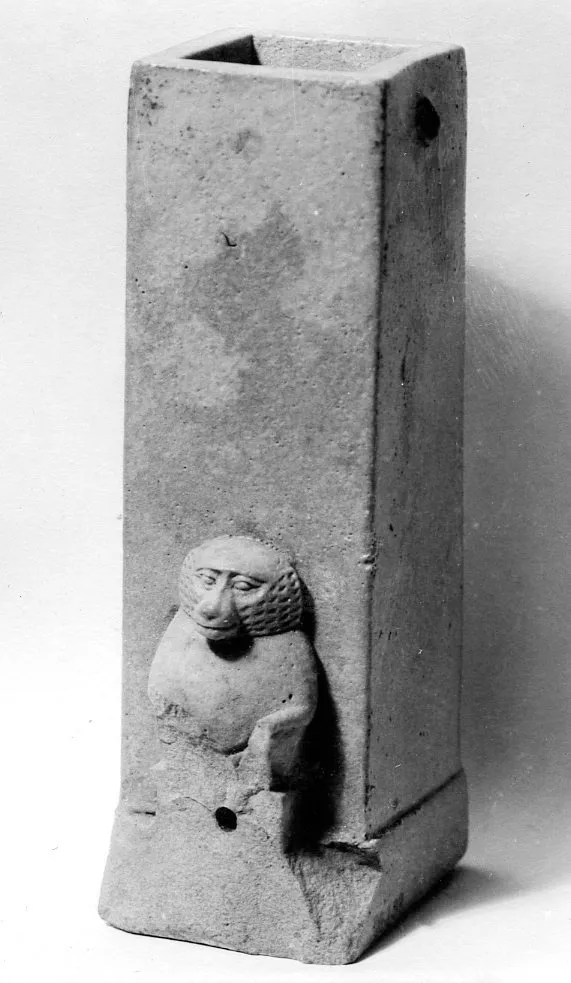
An ancient Egyptian example described by the Museo Galileo has an outlet near its base and separate internal scales for different months. When dividing the night into hours, the changing length of the night through the seasons also had to be considered.
Water does not necessarily flow at a constant rate. Pressure at the outlet differs when the vessel is full and when its level is low. Simply drawing equally spaced lines inside a container does not guarantee equal intervals of time.
Water clocks developed in several ways. Some collected water from an upper vessel and measured its rise in a lower one. More elaborate systems continuously replenished the upper vessel to maintain constant pressure.
In a vessel without hands or a screen, the water moves almost imperceptibly. The container’s shape, outlet and water level together determine the wait from one mark to the next.
Sources and editorial notes
exhibits.museogalileo.it · 물의 높이로 읽는 시계 자료 1
catalogue.museogalileo.it · 물의 높이로 읽는 시계 자료 2
www.museobarracco.it · 물의 높이로 읽는 시계 자료 3
Image source · Metropolitan Museum of Art
Editorial note: Facts were checked against the linked sources. Interpretations are MUADAILY’s editorial perspective. Image: Metropolitan Museum of Art · CC0 · An ancient Egyptian water-clock model with a baboon, Metropolitan Museum of Art.
Machine-translated from Korean. Read the original.