 Latest stories

Beyond “Take On Me”: listening further to Morten Harket
From a-ha’s comic-book hero to “Can’t Take My Eyes Off You,” solo albums and a new duet with his daughter: nine songs to follow.
From a-ha’s comic-book hero to “Can’t Take My Eyes Off You,” solo albums and a new duet with his daughter: nine songs to follow.
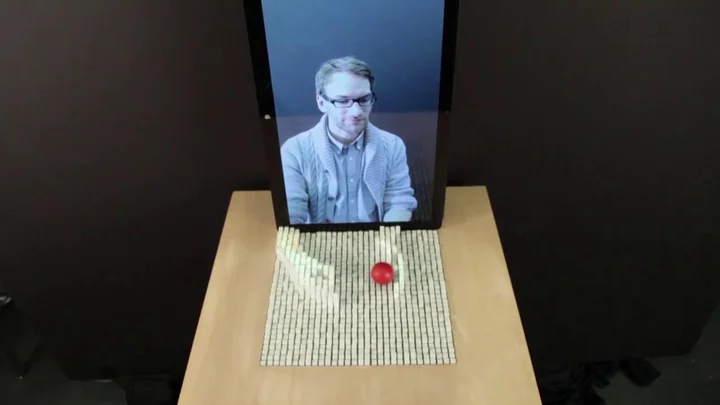
MIT’s inFORM raises and lowers an array of pins to give digital information a physical shape. The 2013 research interface can be pressed by hand and can move objects resting on its surface.
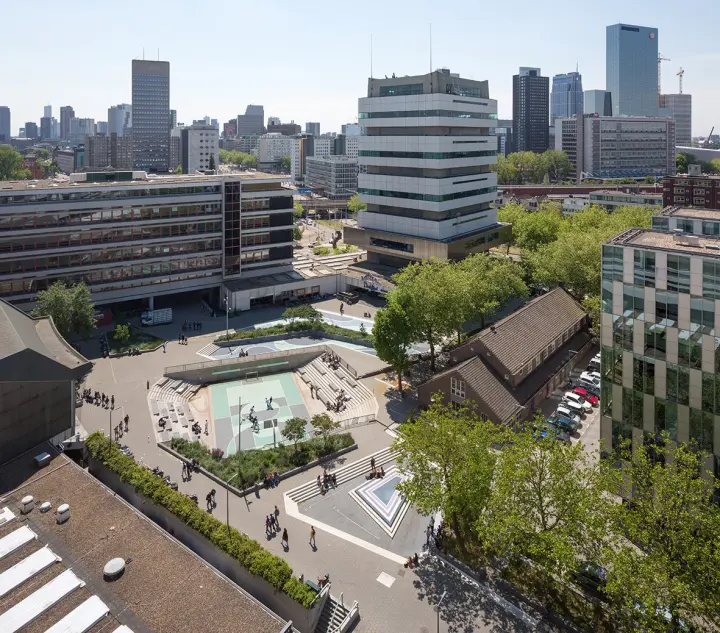
Rotterdam’s Benthemplein serves as a place for sport and rest in dry weather and stores rainwater when it rains. Three sunken basins and visible channels share the public square.
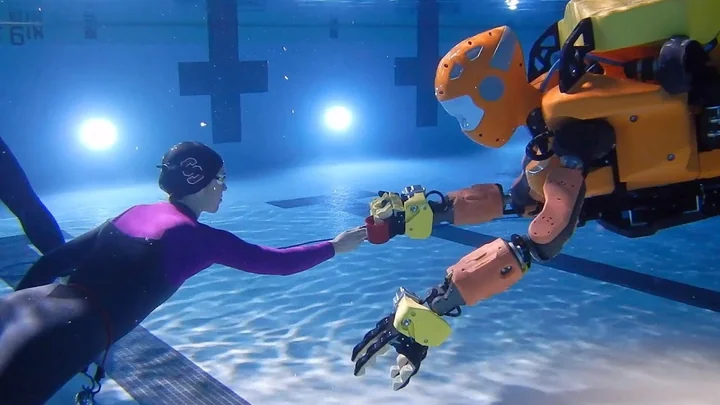
Stanford’s OceanOneK connects an underwater robot with an operator aboard a ship through touch feedback. The operator sees the site on screen and feels forces as the robot contacts an object.
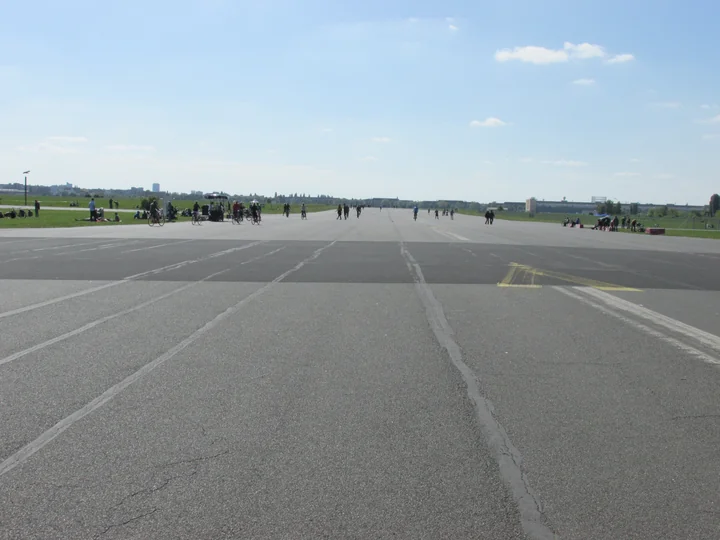
Berlin’s Tempelhofer Feld opened to the public after the airport closed. Its runways and grassland now accommodate exercise, rest, community activities, and nature conservation.
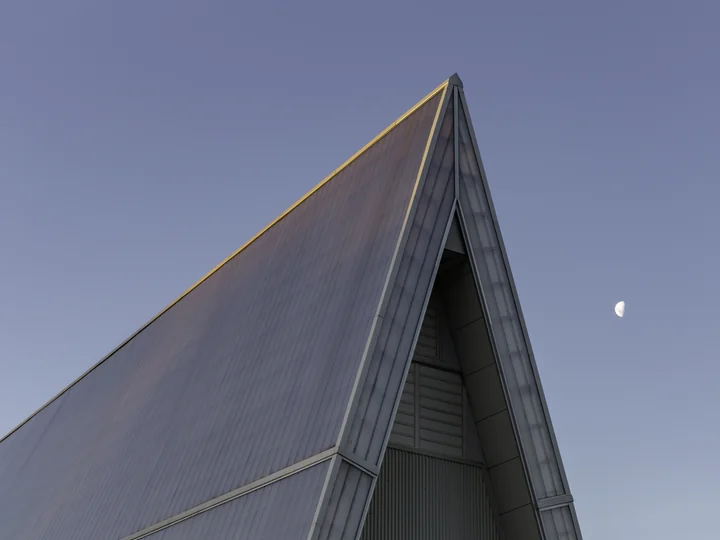
Built after the earthquake, Christchurch’s Cardboard Cathedral combines paper tubes and shipping containers in a triangular form. Its foundations, structural frame, and translucent protective roof each have a role.
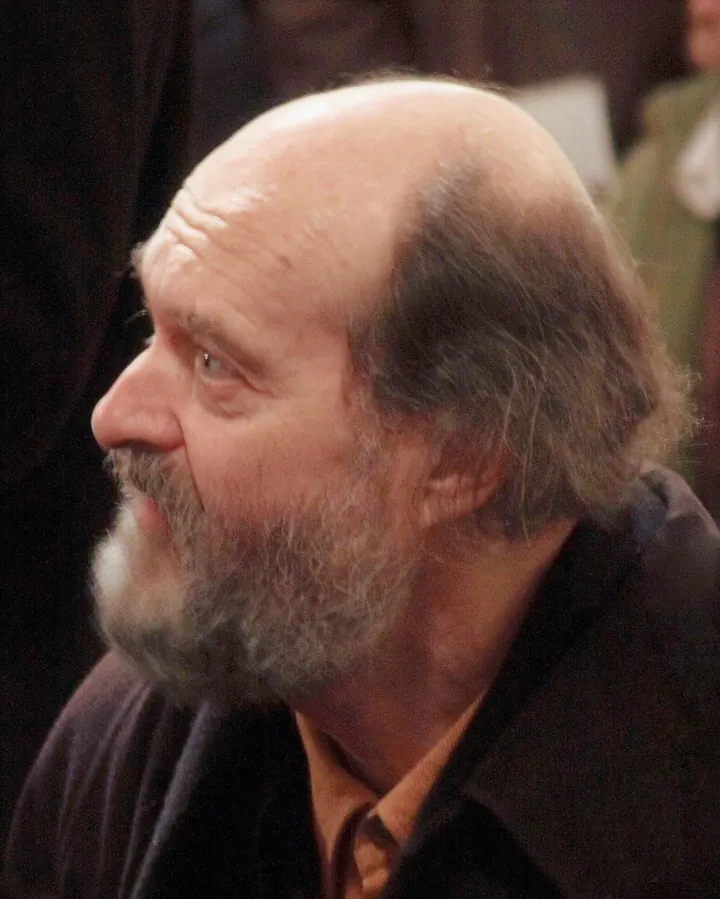
Written in 1976, Für Alina pairs a moving melody with notes from a triad. The Arvo Pärt Centre’s commentary and ECM’s recordings reveal both its rules and its flexible duration.
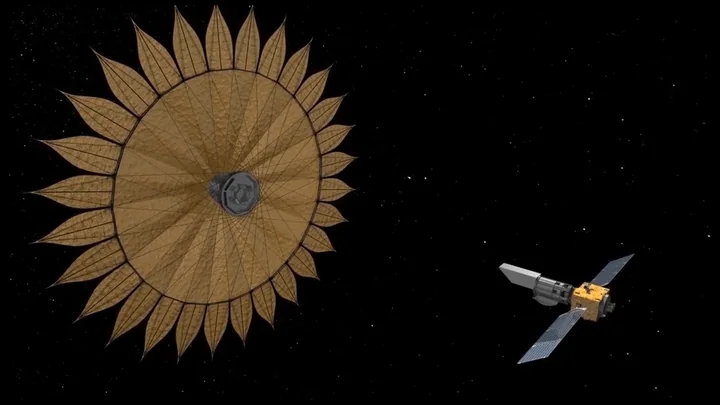
A starshade would block a bright star to help a telescope observe nearby planets. Paper models and ground tests explore how to fold and deploy it, and how to keep it aligned with the telescope.
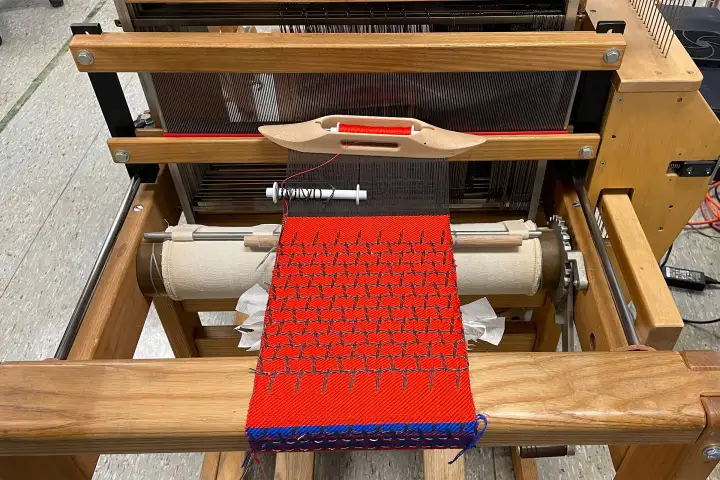
MIT and RISD researchers wove a piezoelectric fiber into fabric that converts sound vibrations into electrical signals. The 2022 study explored a microphone that could be worn.